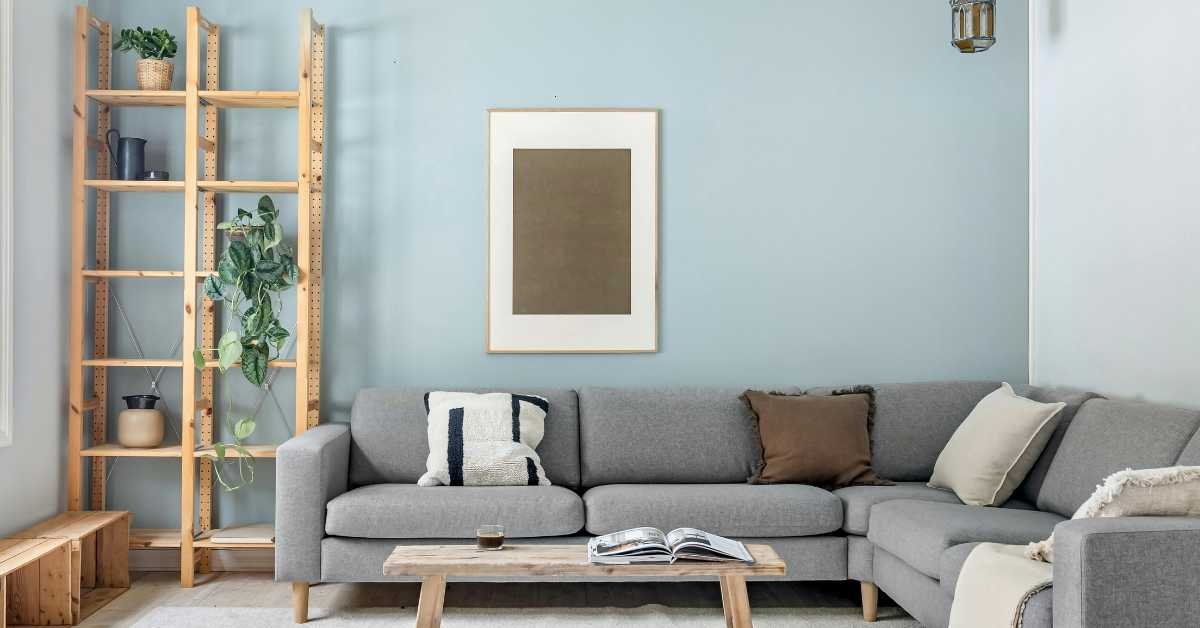
You can easily decide what deserves space in your home faster than you think. Most of the time, you can make this decision based on how you live.
I learned this the slow way throughout my life.
A few years ago, I lived in a smaller room, and back then, everything in my room used to feel like “too much.”
I thought, maybe because the room is small, even normal things will make my room or home crowded.
However, when I moved into a bigger home, I got a bigger room too, so I had enough free space.
But as time passed, the bigger room also started becoming full again.
And this same thing happened with the hall, the kitchen, and other corners of our house.
And that happened because my habits expanded. I kept buying things because I would like more gadgets, tools, and “might-be-useful” items.
And all those things occupied too much space in my home, my personal room, and everywhere.
After facing that, I started organizing and decluttering my space, and that helped me a lot.
Avoid Unnecessary Things to Occupy Necessary Space for Others
Most people ask the wrong question. “Do I need this?” Whenever trying to buy something new, well, it’s emotional.
You can justify almost anything with that question.
Instead of that, whenever you buy something, ask yourself: Where does this belong in my daily life?
And I’m not talking about the future; it should be about your current life or repeatable days.
For example, in my kitchen, I use a blender very often to make smoothies, spices, and other things.
But I don’t regularly use sandwich makers, maybe just once in a long while.
So why would both deserve the same space?
I’d keep the blender in the kitchen, or where I can access it easily, but will store sandwich makers somewhere where they don’t occupy necessary space, which I can use for other important things.
I’m not just talking about blenders; it applies to other things, too.
If you already have something in store based on frequency of use, if you want to buy something new, like a gadget or something else, ask yourself why you want it, how often you’ll use it, and how important it is.
Prime space vs background space
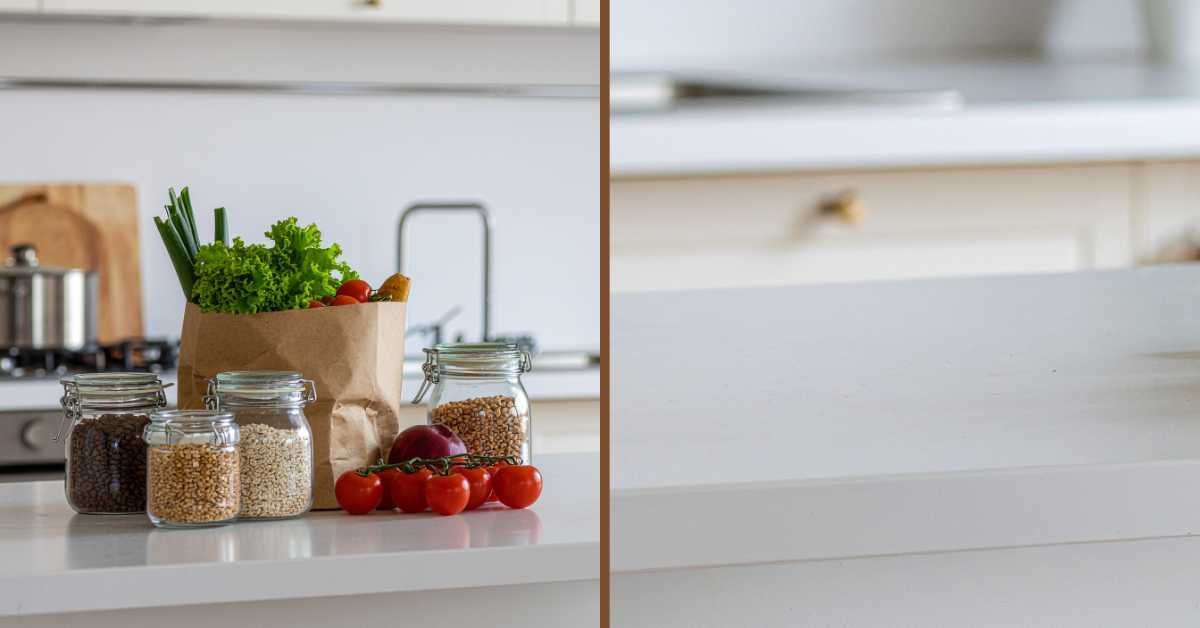
Every home has prime space, whether you admit it or not.
Prime space for me is:
- Countertops
- Open shelves
- Tables
- The front half of the cupboards
- Anywhere my eyes land without trying
Background space is:
- Upper shelves
- Bed storage
- Closed boxes
- Less-reached corners
If you make this mistake, it will let rarely-used items occupy prime space just because you have them.
I put rarely used things in my bed storage, in my counter, etc. These are the things that I don’t use for weeks.
Seasonal Use Changes Everything
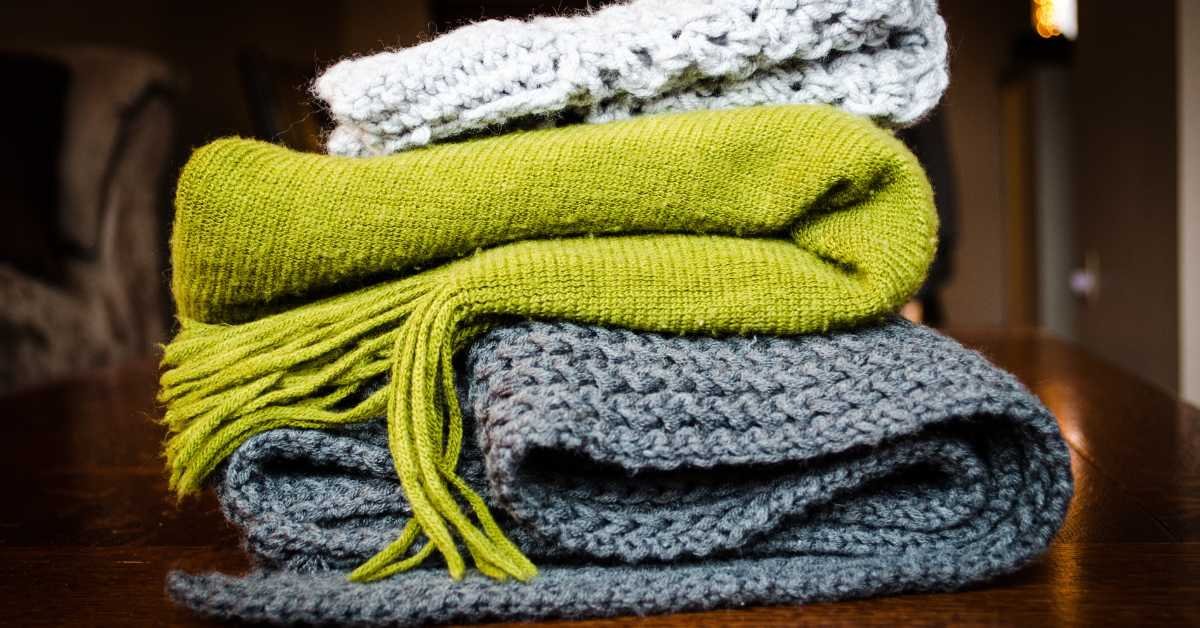
One of the simplest examples is my blanket.
In winter, I use it so I know it deserves space, and I use it daily.
But in summer, I don’t even like it.
So it goes inside the bed storage; my bed has a box underneath, and that space exists for exactly this reason.
And not only blankets, but other things too, that I’m using rarely.
You can apply this to:
- Blankets
- Extra pillows
- Fans or heaters
- Certain kitchen tools
- Clothes and shoes
If an item is useful only part of the year, it shouldn’t control your space all year.
Ownership Doesn’t Mean Accessibility
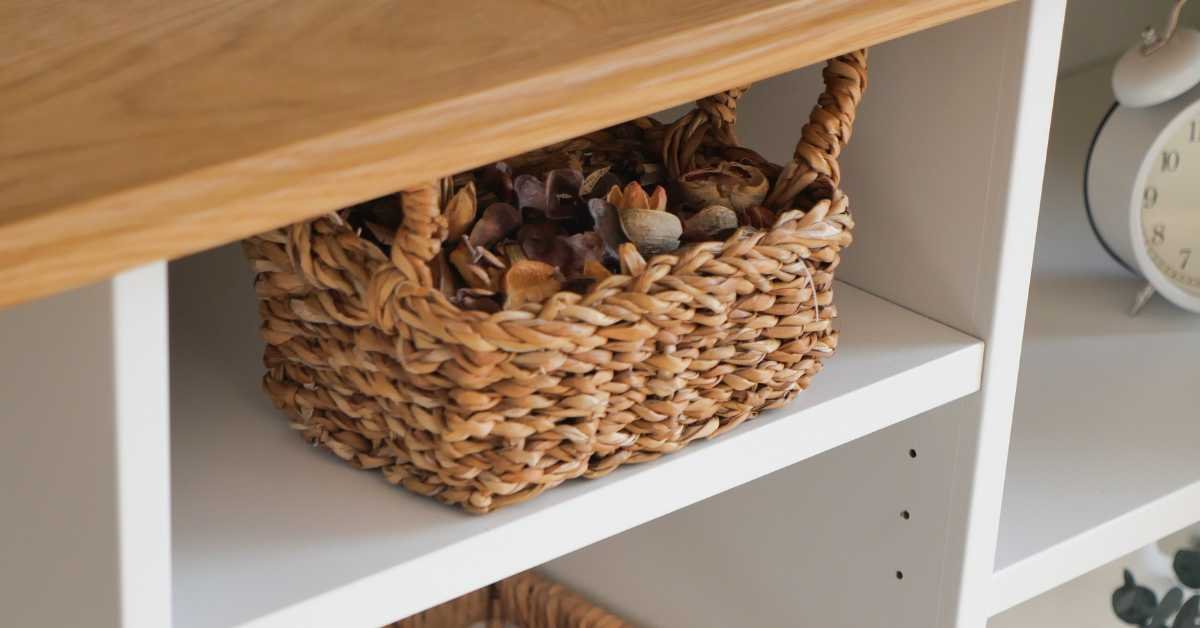
If something belongs to you, it doesn’t mean it needs to be easily accessible all the time.
Old books are a good example, I still have school books from years ago, and other books that I bought after school, as I wanted to read them.
And some of them are still untouched.
But now, should I throw them out immediately? Of course not, but I can’t also give them prime shelf space at home, as it’s a home, not a library.
Same with my brother’s remote-control car.
He bought it when he was 13 or 14. Now he’s 20.
Nobody uses it regularly; sometimes, a cousin plays with it. That’s it.
So why should it live in a main area?
If you have:
- Unused fitness equipment
- Old hobby items
- Electronics that work, but you’re not using
- Childhood things kept “just in case.”
You have three options to follow:
- Store them far away
- Move them out of the house
- Let them go completely
What doesn’t make sense is letting them silently occupy valuable daily space.
I personally don’t like my childhood things to go away, so I keep them in a proper place that I don’t use.
The Kitchen is the Easiest Place to Lie to Yourself
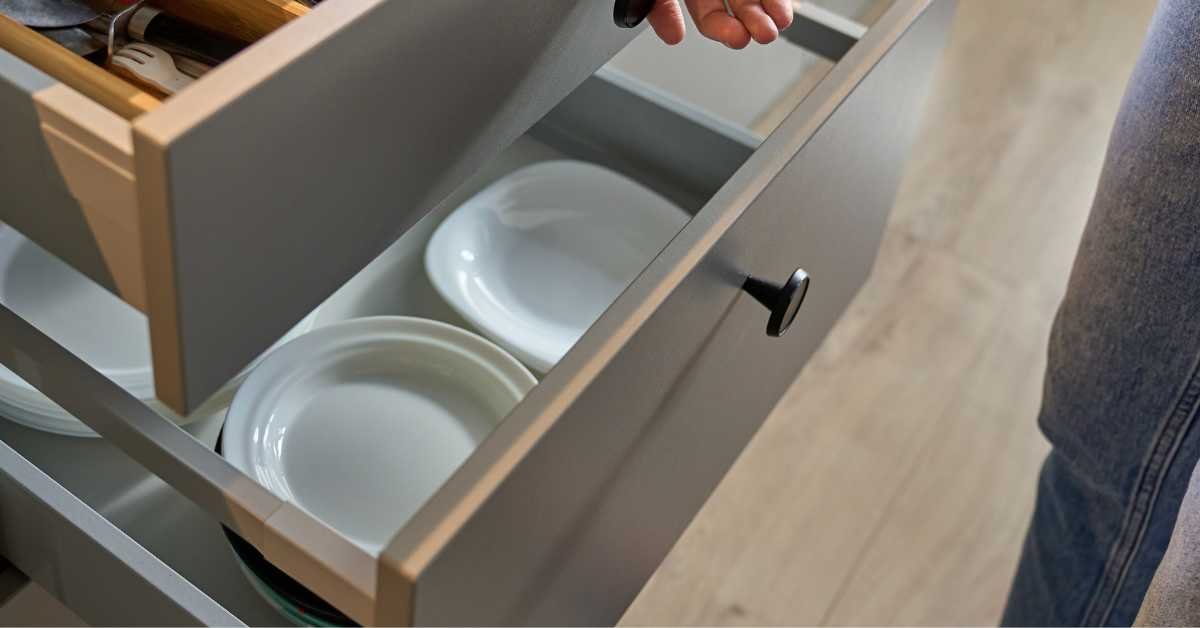
Party plates are the perfect example.
In my house, we have bundles of plates and glasses meant for guests, which my father got for a low price as that shop was shifting to another area and they were selling old items at a very low cost.
They’ve been in my kitchen for years, maybe since 2022, I don’t remember, exactly.
We always think, “When many people come…” we’ll use these plates.
But when guests actually come, it’s usually one or two. And we use our regular plates.
So what’s really happening?
We’re storing an imaginary event in our daily working space.
If you have items kept for rare scenarios like festivals, large gatherings, or once-a-year uses. You shouldn’t keep them where you cook every day.
You should shift them:
- In higher cabinets
- Storage rooms
- Boxed and labeled
Generational Habits Matter (and You Don’t Have to Fight All of them)
This part is important, especially if you don’t live alone.
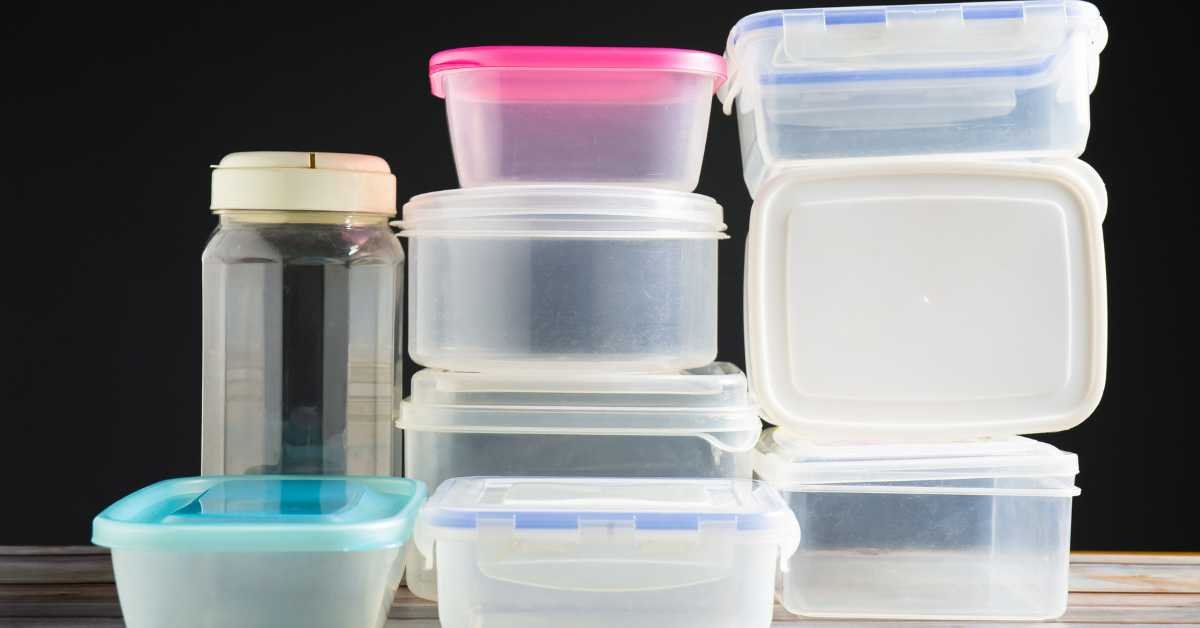
My mother has a habit of keeping plastic containers like ice cream boxes, food containers, things like that.
And her logic is that we’ll use it for spices, storage, gifting, or something else.
I personally don’t like storing food in plastic long-term.
So I often encourage her to throw old ones out or send them for recycling.
Sometimes she agrees, while sometimes she doesn’t.
And, that’s okay.
What changed my perspective is seeing how she sometimes reuses those boxes as gift containers.
That’s a real use.
So instead of treating it as “clutter,“ I treat it as her system with boundaries.
The rule I follow is simple:
- If something belongs to someone else, I don’t silently resent it
- I just make sure it doesn’t overflow into shared prime space
Multipurpose is Better Than Decorative (Most of the Time)
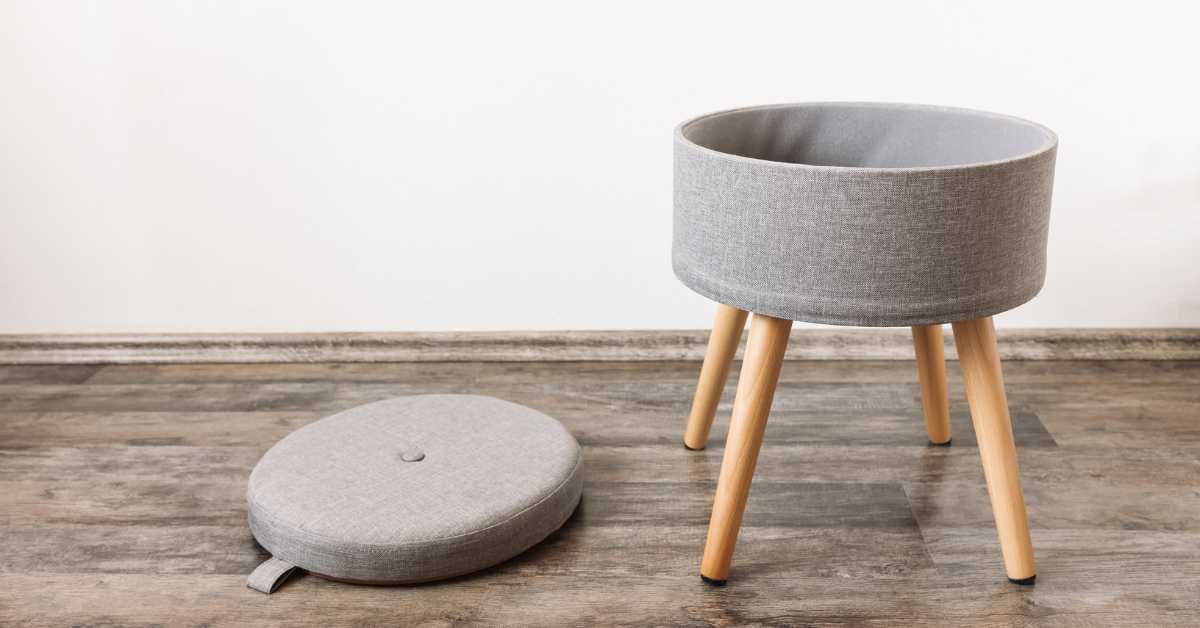
I prefer multipurpose tools, though it doesn’t mean I don’t like decorating my plants, I do, I’m talking when it comes to space saving.
In simple words, a stool that works as a:
- Seat
- Step
- Side table
It will beat a decorative chair that only looks good.
Decorative things are good too, but when space and money both matter, usefulness should win more often than aesthetics.
So you should get:
- One good tool instead of three specialized ones
- Furniture that hides storage
- Items that solve more than one problem
Saving space is often the same as saving money, but it’s less obvious.
Also read: How to Clean Without Using Strong Chemicals
Flat Surfaces Attract Chaos
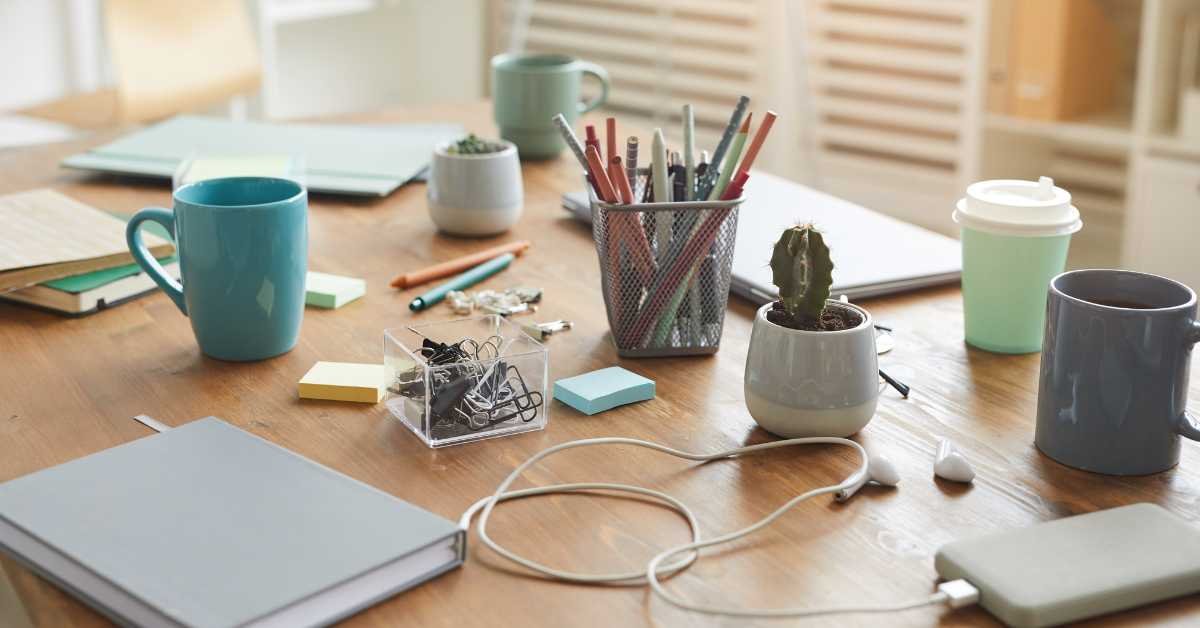
Tables, counters, and shelves naturally attract objects, like I sometimes put my mobile phone, toolkits, keys, and many other random things.
And that’s because they don’t have assigned homes.
For that, I’d recommend you to use drawers, in that:
- Tools go in one
- Emergency items in another
- Rarely-used things grouped together
Once you have assigned a dedicated area for regular things, putting things back will become easier for you.
Maintenance Matters more than One-time Decluttering
I won’t pretend I’m perfect at this, because I know I’m not.
Sometimes I fix things and then slowly let them slide again, and that’s because I’m a bit lazy.
And it makes my space messy until I do deep cleaning, which I often do on a Sunday.
So to maintain space:
- You can put things back most of the time
- Quick resets instead of big overhauls
- Fix one area, not the whole house, whenever it needs to be fixed.
So if you decide on one thing, what deserves valuable space in your home, you still will have to maintain it.
Just like cleaning, we clean once, and after that, we have to repeat it.
Conclusion
You should use your space based on your daily life activities instead of against it.
Things that worked for me were when I started to separate daily things from occasional use.
Besides this, I stopped giving prime space to things I don’t use on a regular basis, and it helped me create more space in the home, including tables, countertops, and the kitchen.
So overall, if you start asking yourself, “Does this support how I live right now?”, your home will slowly organize itself around you.
FAQs
How do I decide if something deserves to stay out or go into storage?
Ask how often you actually use it. If you use something weekly or daily, you can keep it accessible.
If you’re using monthly, seasonal, or occasional, consider moving it to storage.
Do I need to throw things away to create space?
No! Most of the time, you just need to relocate them.
For example, you can put extra things into storage, drawers, bed boxes, or higher shelves. They will help you free up space without forcing you to let go immediately.
What if other family members don’t want to declutter?
You don’t need everyone to agree; you should just focus on your zones and shared prime spaces. Like I mostly do it in my room.
So, you want to respect others’ habits, but set boundaries so rarely used items won’t take over daily-use areas.
How do I deal with “we might need this someday” items?
Give them a specific storage spot and a mental deadline.
If that “someday“ or a guest doesn’t arrive till your set deadline, your item itself will answer you.
Is multipurpose furniture really better than decorative pieces?
Not always, but if you want to save space and also money, then I recommend going for multipurpose items.
They will help you reduce visual clutter and decision fatigue.
And decorative items are fine if they earn their place.
What’s the biggest mistake people make with home space?
From my personal experience, letting imaginary future scenarios dictate today’s layout is the biggest mistake.
Your home should serve your real, repeatable days and not rare events.