
Getting kids to help with chores without formal chore charts is easy; you just have to teach your kids responsibilities, and you can include your child in your chores.
In many homes, kids naturally want to be involved when someone is working, like my 4-year-old cousin, who reaches for the broom, vegetables, sink, etc.
So you have to build chores into the routines of your kids instead of charts, and kids will learn what comes next without being told.
Now, the question is, how can you do it? So that’s what I’m sharing.
Kids Want to Be Part of Real Work
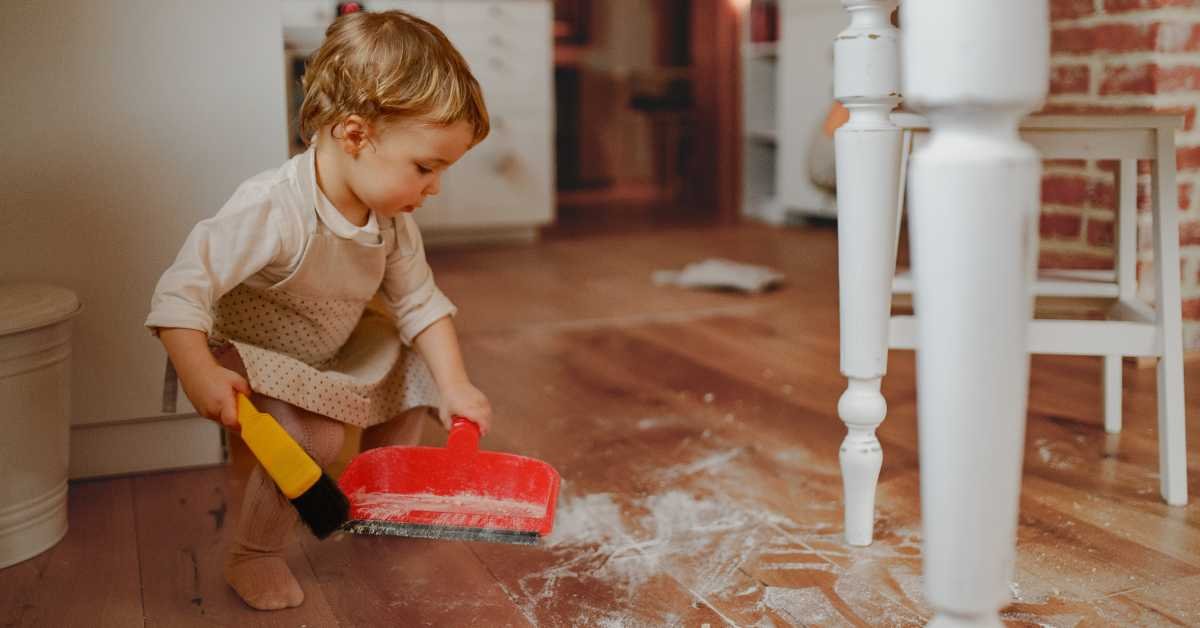
When I was a kid, and in the beginning, my mother never assigned me a task (later she did), but I still used to help because I was too curious. And I see this curiosity in most children.
I used to get old, like when my grandmother was sorting something. In fact, this same thing happens now when I watch my uncle’s son, who is four.
When my aunts wash clothes, wiping, etc, he reaches out to his mom and starts involving himself because of curiosity.
So, if your kid is too young, you can still involve them in simple tasks; by doing so, you’ll form familiarity with your kids.
Let Them Touch What Belongs to Them

The chores that stick longest are the ones that feel personal. As a child, I used to clean my own lunchbox, change my school notebooks because different days needed different books, make my bed, and put toys back.
So, you can also start from here, teach your kids to put their shoes in their place, wash lunchboxes, the same with clothes, and many other things, particularly those that belong to your kids.
These are small tasks, but they build a quiet sense of ownership that charts never create.
Build a Daily Flow Instead of Assignments

One of the most effective systems I grew up with didn’t look like a system at all. It was just the order of things.
Putting all the tasks or chores in an order is one of the most effective systems I grew up with.
After school, as I said earlier, I had to put my shoes in their place, clean the lunch box, change the school uniform, and put them away.
Then I used to wash up and eat, sometimes I even had to wash my own plate.
So, I was doing it almost every day; it was my routine, like cooking was part of my mom’s routine.
Kids naturally learn timing faster than rules. When your kids know what comes next, they won’t need any reminders.
Don’t Correct Too Early or Too Often
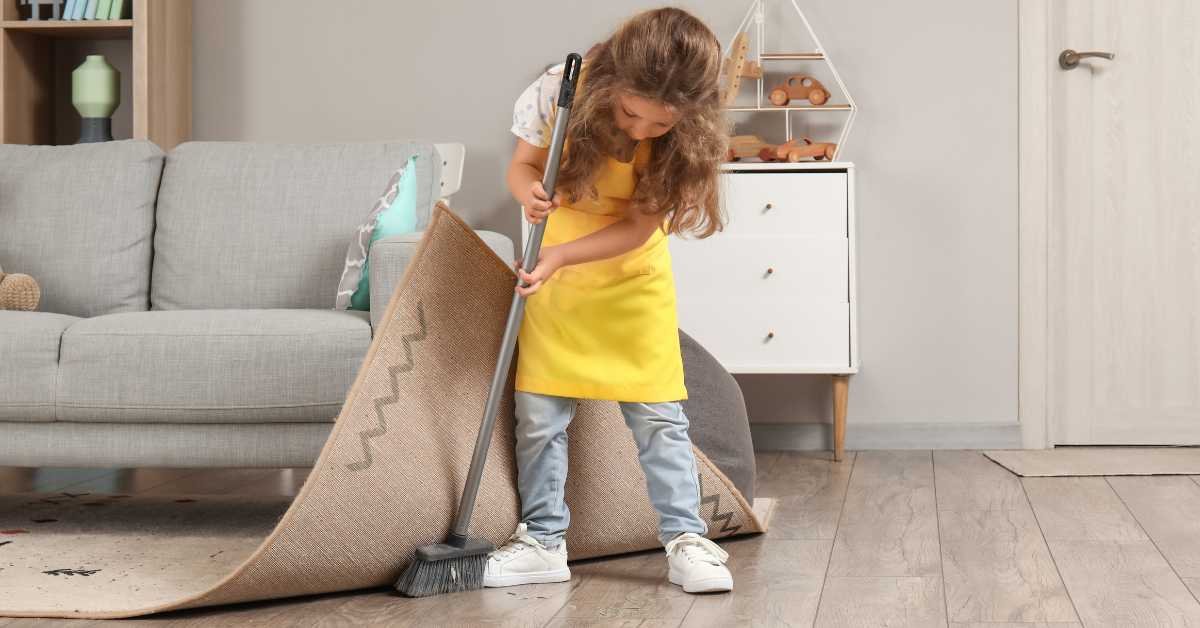
One of the quickest ways to stop a child from helping is to redo their work immediately. I remember sweeping as a child and feeling proud, but later, my mother used to pick up the broom again right after.
She was not wrong, she did because I couldn’t clear the floor as she wanted; however, I learned it.
If you always fix it right away, your child might learn that their effort doesn’t count. Eventually, kids may even be trying, because the result is the same whether they help or not.
Btw, I’m not saying that you should not correct them, you should be polite, and sometimes just appreciate it even if work isn’t done properly.
Also read: How To Keep a House Clean When Working Full Time
Keep the List Small and Age-Realistic
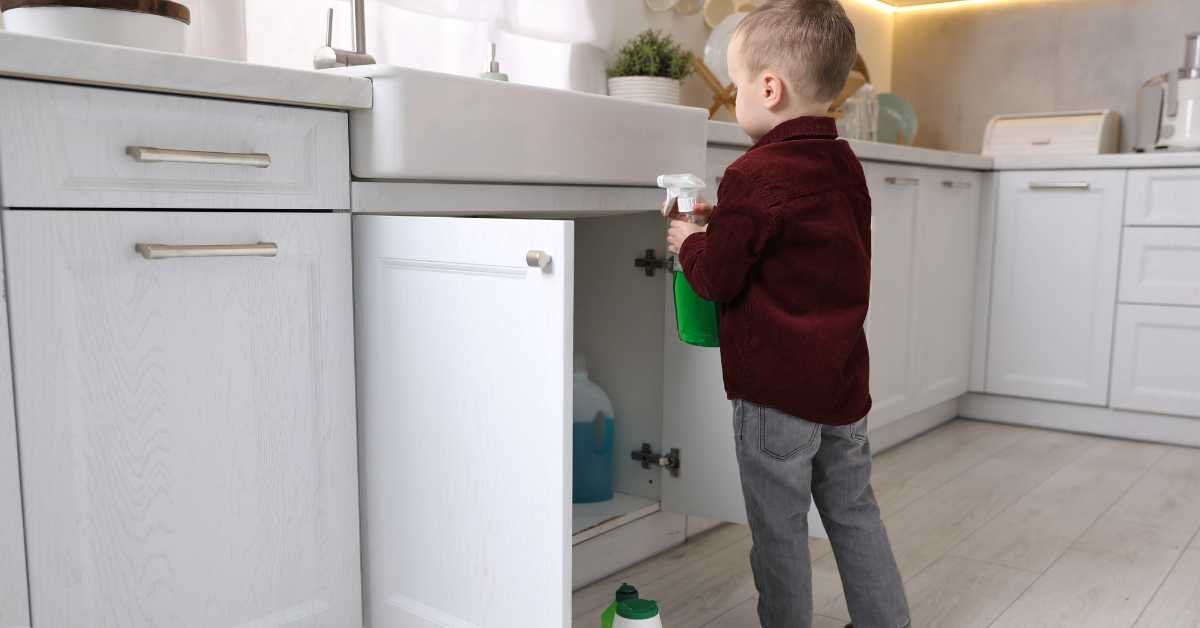
Overloading kids with chores won’t teach any responsibility to your kids, because of the pressure, kids might start avoiding.
Early on, chores should be few, predictable, and tied to the child’s own life, like I said, making the bed, putting toys back, sorting school materials, etc.
As they grow, tasks can expand. A child might not wash laundry yet, but they can separate light and dark clothes. They might not cook, but they can rinse vegetables or measure ingredients. The goal isn’t mastery. It’s exposure.
When tasks grow slowly with the child, resistance stays low.
Do not Punish Your Kids
In my house growing up, my father had a Nokia phone, and on that, I used to play the Snake game. However, many times my mom used to take that phone and ask me to do my homework, and do some other cleaning stuff.
The same idea applies now, because kids care about screens, and you can use it as a soft tool if the kids are not listening to you.
Avoid Long Lectures and Big Explanations

Most kids don’t need explanations about why chores matter; you need to show them consistency by letting them be involved, giving them tasks every day, but the same one.
When you build their daily routine, there would be nothing to argue about.
If a child forgets, you can guide them back without drama.
Chores Grow as Kids Grow
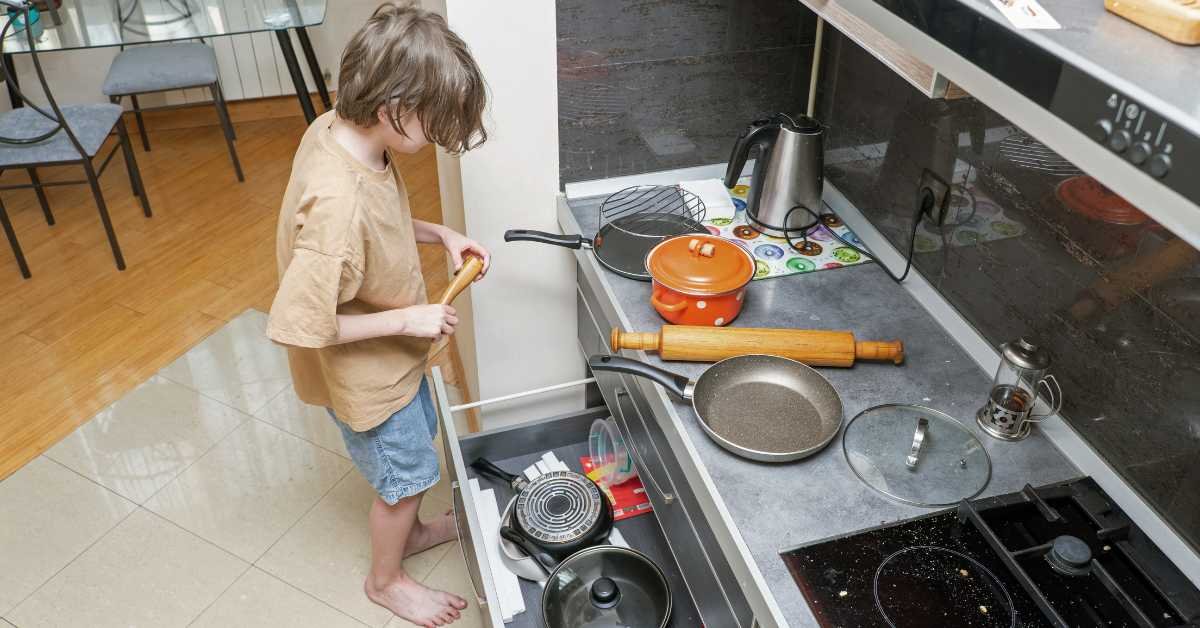
It is very obvious that a four-year-old won’t do the same work as a ten-year-old; that’s why you have to focus on this.
When you raise your kids with responsibility, they will start feeling natural.
A child who has always handled their own belongings will eventually help with shared ones, like cooking, laundry, etc.
Even later, when you won’t be at home, those habits will remain.
Keep your Home Calm From Boundaries
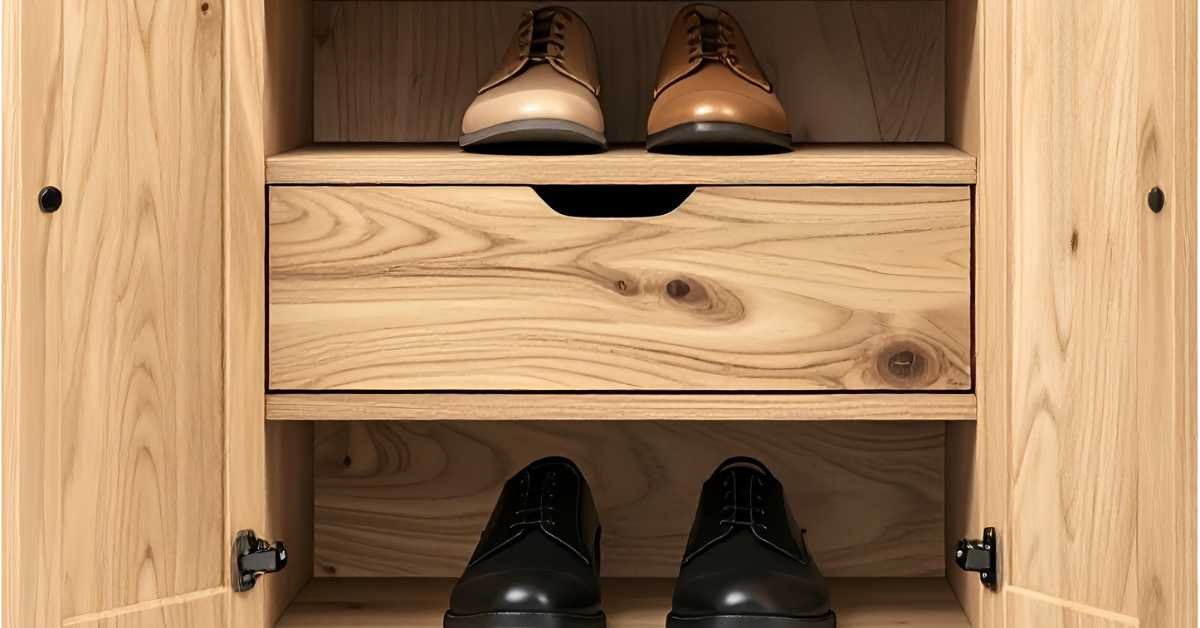
To keep your home stay organized, you have to set boundaries, as shoes would go here, dishes go there, etc., and especially if you have multiple kids, then everyone should have their duty, and outside of that, there’s no need to do anything.
When kids know what’s expected and feel capable of meeting it, they will do it.
Conclusion
If you want to get kids to help with chores without formal chore charts, you should start involving them when you do chores.
By doing so, your kids will understand routine, and you can teach them what belongs to them and what they should take care of.
Also, as a parent, your goal should not be a perfectly run house or a child who never forgets.
Look, it’s childhood, if sometimes, your kid is not doing any work, especially if it’s not his personal, you should be fine with that, especially in the beginning.
FAQs
What if my child only helps when I’m doing the task too?
This is the starting point, and still, you should be thankful, at least kids are doing something (see the positive side).
Many kids learn best through shared work before they’re comfortable doing things alone.
Also, when kids work with parents, they build familiarity first.
Independence usually comes later, once the task feels safe and predictable.
How do I handle days when my child refuses to do even simple tasks?
That’s okay, you should see why your kids are doing that. Is he or she tired, hungry, or is the task already hard?
However, if kids just do not want to, better he doesn’t feel good, then you can lower your demand, like he had to do 2 things, he now does 1 thing.
But please, don’t build habits of always lowering demand.
Is it okay if chores aren’t done the “right” way for a long time?
Yes, as long as safety and basic hygiene are covered, because skills will automatically develop through repetition.
Most children improve quietly over time when they’re allowed to keep doing the task.
If you keep correcting every detail, it will just slow learning and increase avoidance.
What if my child compares chores with friends who don’t have any?
Lol! That’s common, especially as kids grow older. At that time, you don’t need to defend your system; just keep expectations calm and consistent.
Over three times, your kids will know you were right (very soon). I’m a good example of that, too.
When should chores shift from “their own things” to shared household work?
If your kids start handling personal responsibilities, and they no longer need reminders to care for their own space, you can add small shared tasks; it will feel less intrusive.
The shift will work best when it’s gradual and tied to real household needs.
Can this approach work in busy homes with working parents?
It will work better in busy homes if the routines replace reminders; you, as a parent, will spend less energy on managing your kids’ behavior.
However, you need to keep expectations simple and repeatable, not perfect.

Abraham is the founder of Household Chores Spin the Wheel and built its free spinning chore tool. His cleaning and organizing advice comes from years of real household experience and family-taught habits. He shares practical, stress-free routines that actually work.