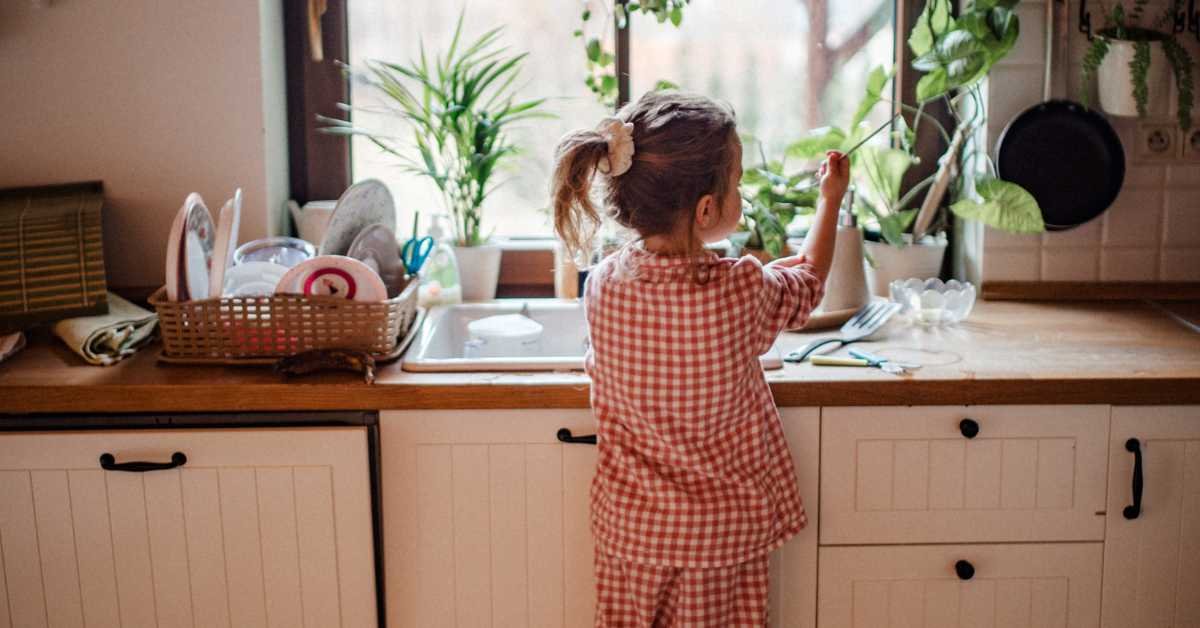
There are many benefits of household chores for children, such as kids learn discipline, important life skills, and understanding their responsibilities from a young age.
Household chores for kids also shape the habits that help them throughout their whole lives.
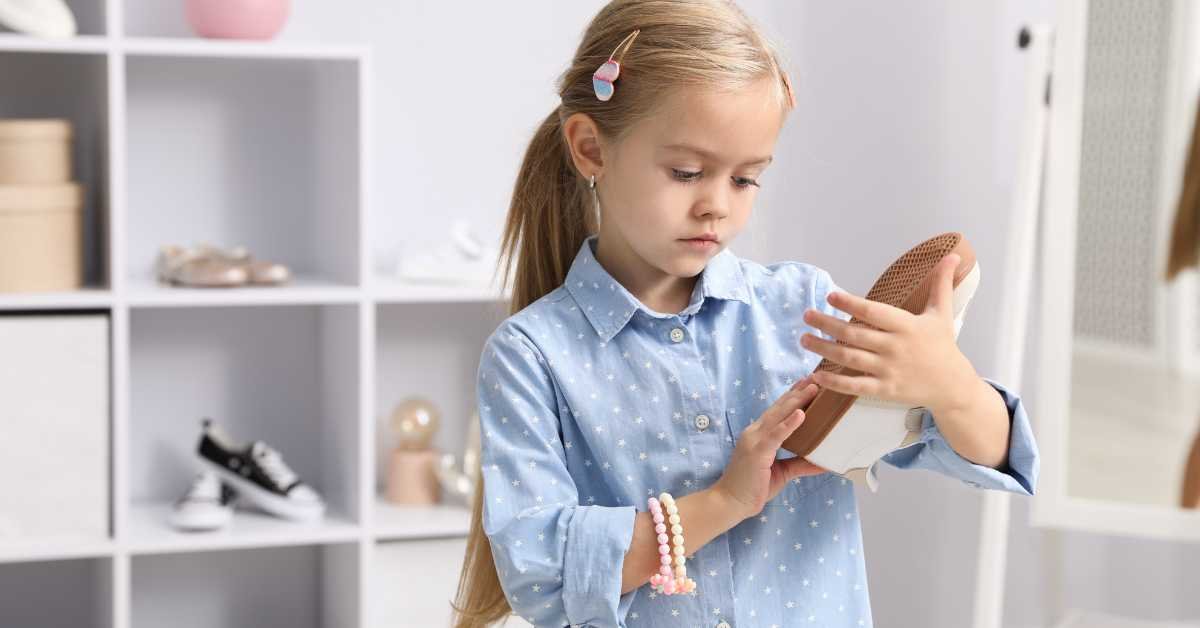
When I was 10, about 15 years ago, I was in school, and when I used to come back home, as soon as I entered, I would throw my shoes instead of putting them in the shoe rack.
Then, if my father were there, I would take his phone and start playing games.
Because of this habit, my mother had to scold me many times and remind me to do my chores first.
So in this post, I’m going to share my own experience and what I have also seen in my relatives’ kids.
What they have learned, my personal journey, and the things I did in childhood are still helping me today.
I will also share how teaching household chores to children can impact your child as well. Let’s talk about the benefits of household chores for children.
Your Child will Learn Responsibilities
Some parents just give a lecture about responsibilities and explain them to their child.
But when you actually give some home chores to your child, for example, my mother used to say that you have to clean your lunchbox after school, make your bed every morning, and many other things.
So I naturally started learning, and my mother didn’t have to scold me all the time. And I gradually learnt my responsibilities as I had to do it every day.
If you are not including your child in household daily chores, when the child grows up, and you tell them to do something, they feel like you are imposing something.
But if you involve them or give them tasks from an early age, they will understand their responsibility.
The Child will be More Disciplined
Many times, kids get punishment to be disciplined; however, when children do daily home tasks, they naturally learn discipline without getting punishment.
I got punished many times because I knew my daily tasks, but I sometimes used to avoid them and was busy with mobile games.
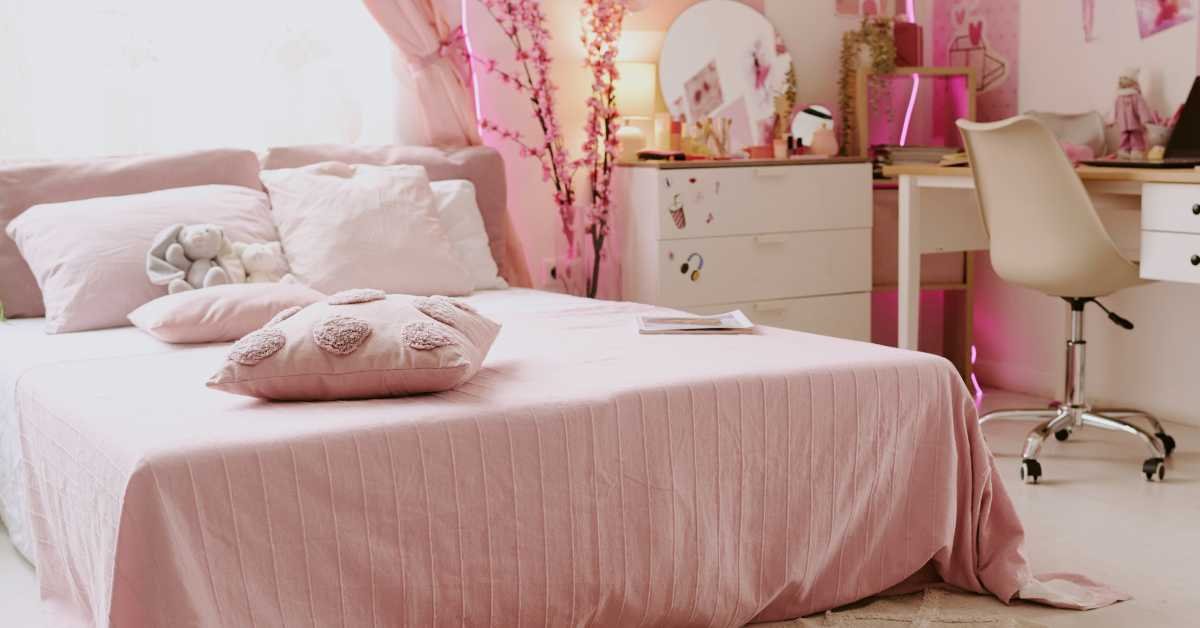
So, wait, if your kid is not doing any daily home chores, then you can give your child some tasks every day, such as making their bed every morning, washing their plate after dinner or lunch, cleaning the lunch box, giving water to the plant, etc.
You have to give those chores that your child can do every day, and after a few days, you will see that you don’t have to tell the child to do something; he will do everything, as the child will be disciplined.
Chores Teach Time Awareness
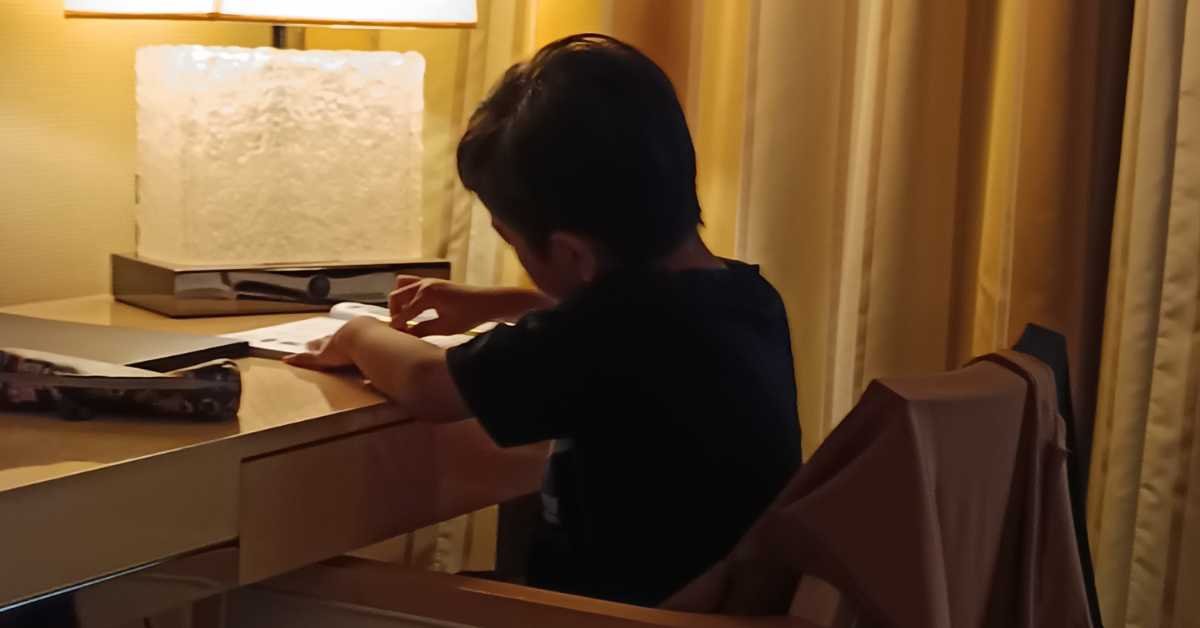
Household chores teach a child about time awareness. As I have said before, after coming from school, I used to take my dad’s mobile phone to play games.
So sometimes I used to keep playing the game for a longer time, especially when mom didn’t scold me, and I’d get late.
It happened to me a few times when I could not go to the park after 5 p.m. to play with other friends.
And that’s because I was not finishing my chores, homework, and other things at the time.
Therefore, my mom would not let me get out of the house, and it was part of the punishment.
If your kid does chores every day, like after school, before dinner, etc., your kid will learn that they have to complete the task before taking a rest.
By doing so, your child will be more aware of time management, as he will know he needs to finish the work at the right time.
Especially when you’re not letting your kid play games, watch cartoons, etc., before his work.
Household Chores Will Reduce Laziness
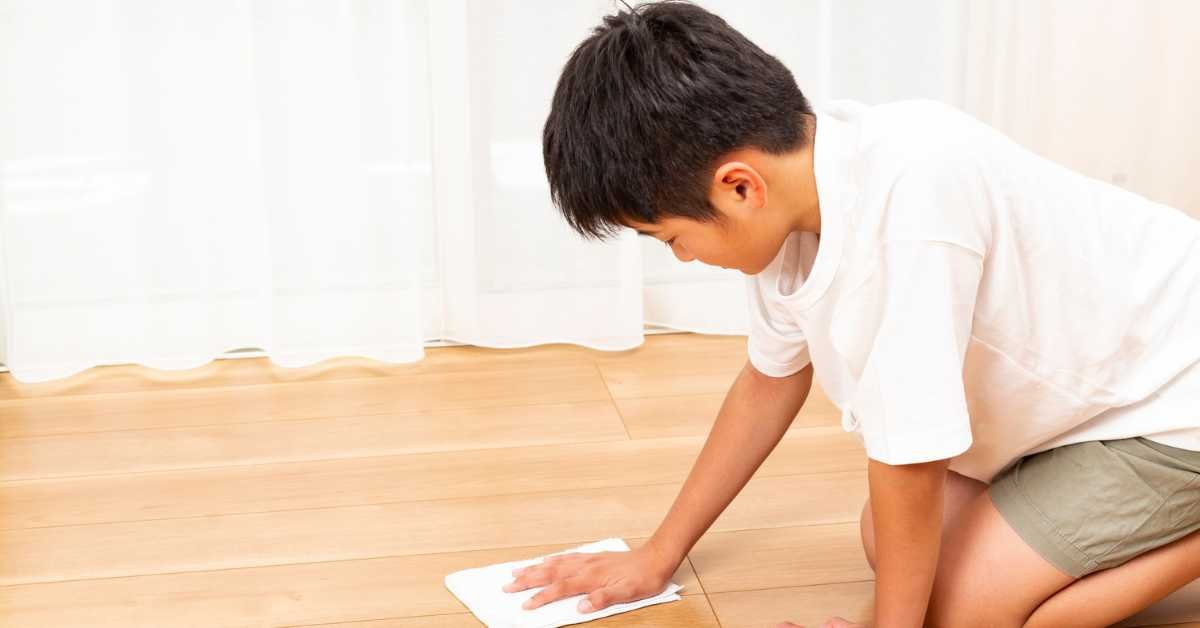
I will be honest with you, that it’s true that household chores reduce laziness, but despite doing them for over 15 years, I am still lazy sometimes.
However, maybe that’s my personal problem, or maybe because I have a mom, and I know she can help me too, as I have others too.
But yes, chores will reduce laziness in a child, and that’s because a child will have the responsibility.
And if there is a responsibility, I have personally noticed that I cannot rest peacefully.
For example, if I do not clean something today (which I have to), I know that tomorrow I have to do double work.
So either do today’s task today, or just do double tomorrow, or triple after tomorrow.
Chores Improve Executive Function
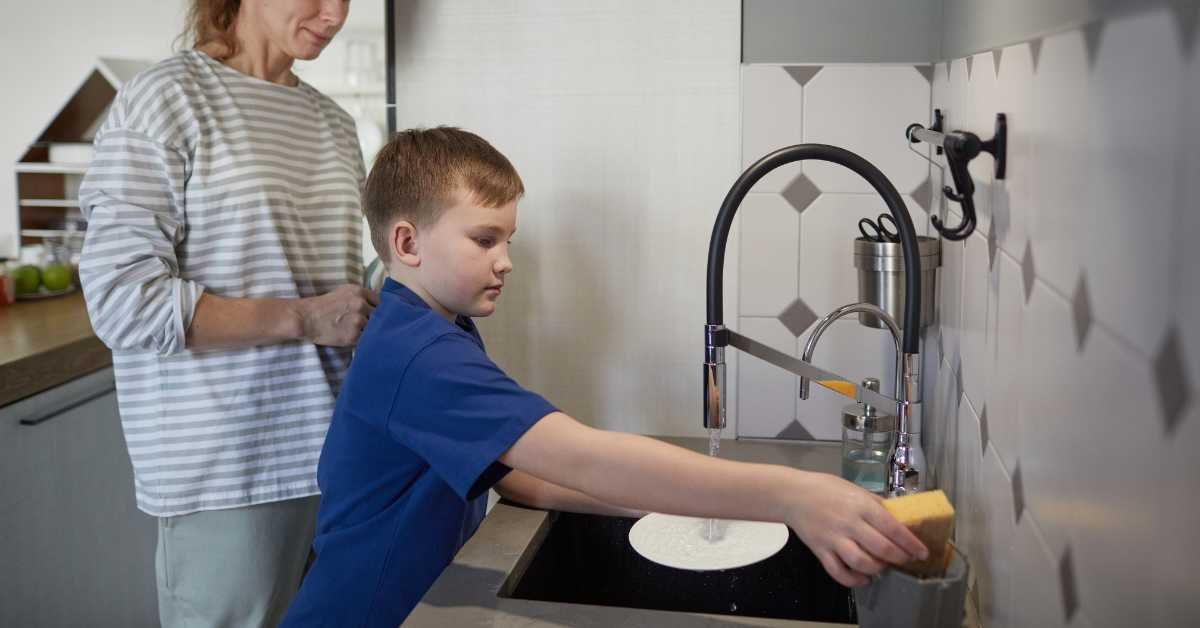
Now, in simple words, executive function means the brain’s ability to plan something or focus, remember steps.
In school, kids learn it through a structured way, but when we do home chores, especially in the beginning, we learn them in a natural way.
Like when a kid is growing up and doing daily chores, he will remember all the steps to do a task, how to organize something, and he will know when to complete any work.
For example, I do cooking, so I know that first I have to wash my hands, and second I have to bring ingredients, then make the recipe, and after that I have to clean up.
I know it might sound simple to you, too, or me, but when we do something for the first time, it really improves our executive function.
And that’s why chores are important for kids too, especially when they are growing, as their brains are curious.
A Kid will be More Confident
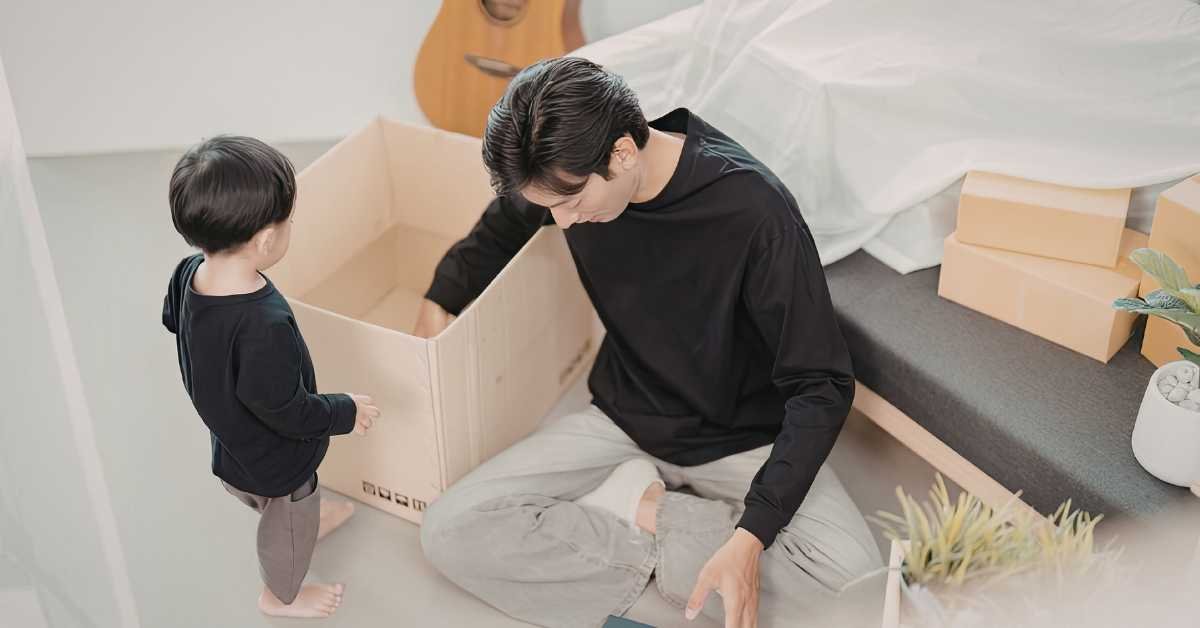
If I ask you to make a white chocolate shrimp Alfredo recipe, or something that you haven’t tried before, and I ask you to make it like a master chef, and that too in front of many people, then you might be a little hesitant.
Why? Because you may not know how to make that recipe.
But if you know about it, you will be confident, and you will say, yes, I’ll make it.
Just like that, when a child does chores at home like helping you organize, clean, cook, etc, kids learn new skills.
And it also builds confidence.
Your child will be confident, and you, too, will be confident when you leave the home, let’s say for a job.
Because your child knows that if my mom is not at home, I will handle things.
And as a parent, you will be confident too, as you won’t have to think too much about your kid because you know your child will handle himself, and here I’m talking about foods, beds, homework, basic cleaning, but that confidence will continue in many things.
I said it because my mom is confident too, as I know cooking, cleaning, etc, though I’m now old, but I could make something for myself even before the age of 15.
Chores that Will Leave a Positive Impact on Your Kids

If you have an over-year-old kid, you can teach them many household tasks, such as:
- Arranging their bed. Every morning, your kid needs to fix the bed sheet, put on their clothes, and maybe fold the blanket.
- Clean their house (lime mobbing, sweeping, etc.
- If you have some plants, like indoor or balcony plants, you can also ask your kids to water them.
- Ask your kids to feed the pets, and it will build more sympathy in them.
Besides this, to make chores more enjoyable, you can do some simple things, such as let’s see who fills toys in the box faster, let’s play a song while cleaning, etc.
This simple trick will also help you engage your child with you while working.
Don’t Force Your Child

In childhood, most kids love playing more than working, and for that, you need to make chores more enjoyable, and there are also other ways to get kids to do chores without nagging.
Besides this, you need to remember a few things:
- Number one, you shouldn’t force your child. It will punish your kid.
- You should not accept that your child will do everything perfectly, especially in the beginning, and later your kid can improve that. So you have to praise initially for the little effort your kid makes.
- You should not hand over the tasks occasionally; instead, you should give regular tasks, especially those associated with your kids, such as making the bed, packing lunch boxes, if a child goes to school, putting toys in their place, etc.
- And lastly, you should give your child only those chores that are suitable for their age, and also you shouldn’t give them chores when they are slow.
Final Thoughts
There are many benefits of doing household chores for a child, such as they make your kids more responsible, disciplined, teach about time awareness, make your kids more energetic by reducing laziness, etc.
More importantly, they help your kids learn skills that will help them throughout their lives, such as cleaning, cooking, etc.
These are the things that we continue to do throughout their life.
Even in most homes, men don’t work at home, but still, they have to cook.
I personally do it when my mother is out. So it’s a real skill, and just like that, there are many other skills that your kid will learn.
But yes, while teaching your child, while teaching chores to your child, you don’t have to impose chores like punishment.
Instead of that, you should try to keep them more interesting. My first recommendation is to involve your kids when you are working.
Also, you can keep praising your kids’ effort. Besides this, you should not force your child, as kids can work without nagging if you just know the techniques.
And don’t give tasks that are hard for your kids, or when your kids are slow or not energetic.
FAQs
At what age should parents start giving household chores to children?
You can start introducing chores from a very small age, around 2 to 3 years of age is fine, you can teach, like putting toys back or helping arrange pillows.
How much time should a child spend on household chores every day?
10 to 20 minutes a day will be enough to build habits, discipline, and responsibility; however, you should involve your kids when you work, so time won’t matter.
What should parents do if a child refuses to do chores?
If a child refuses, you have to understand the reason. Is the task feeling boring or forced? And instead of arguing, you can make chores fun, do them together, or turn them into small challenges.
Besides this, you can also give choices like letting your child choose between two tasks.
Can household chores affect a child’s school performance?
Yes, in a positive way. Chores will help children learn focus, routine, and time management, which will indirectly improve how kids handle homework and school responsibilities.
Kids who manage small tasks at home often manage schoolwork better, too. Also in China, students at a very young age are taught chores, and they also build skills.
Should parents give rewards or money for doing chores?
Look, basic daily chores should be part of a routine, not something done only for rewards. However, you can occasionally praise your child.
But if the kids are doing chores for the very first time, then you can praise them for every little effort.

Abraham is the founder of Household Chores Spin the Wheel and built its free spinning chore tool. His cleaning and organizing advice comes from years of real household experience and family-taught habits. He shares practical, stress-free routines that actually work.