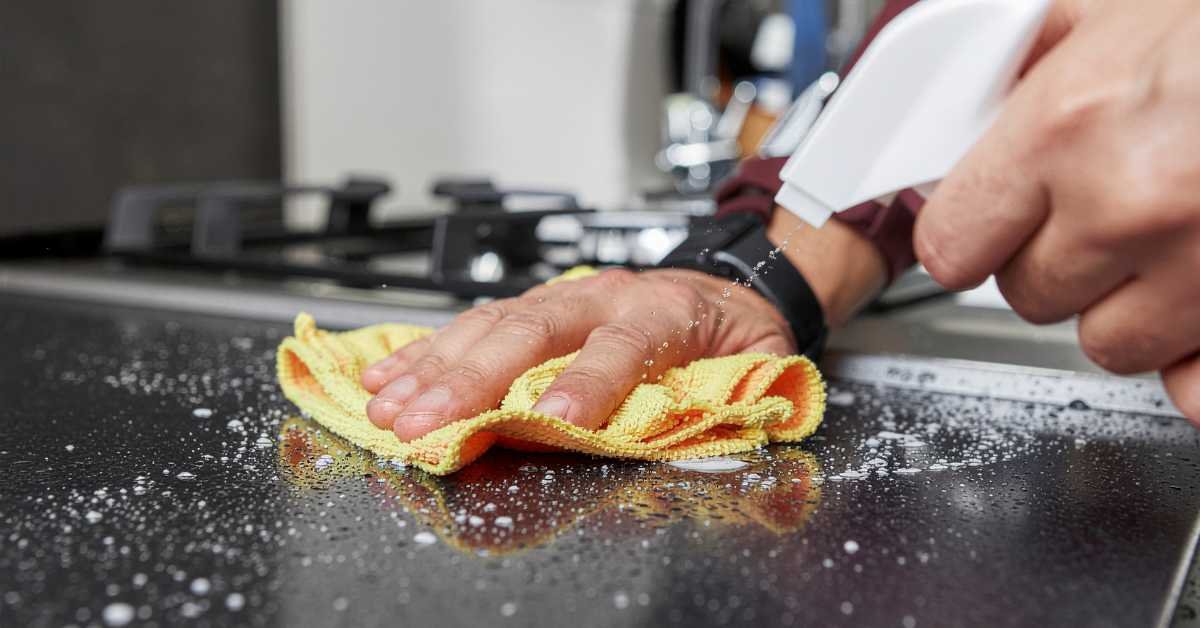
We often have to clean our bathroom, kitchen, room surfaces, etc, to maintain hygiene. However, sometimes even after cleaning, surfaces get dirty because we make mistakes while cleaning.
Like, during the cleaning process, we leave something behind that invites dirt back in.
I didn’t understand this for a long time, but from 2020, when I began cleaning, cooking more, and spending more time in the kitchen.
I observe many things on my counters, floors, glass, and even on my computer desk. Actually, they used to feel a bit dirty even after cleaning.
However, I realized I’m cleaning correctly, just unknowingly making a few tiny mistakes. So I fixed them, and now everything is fine.
So, below are the mistakes that will make surfaces get dirtier faster.
Cleaning With a Cloth That Looks Clean but Isn’t
This was my biggest mistake, and it’s still the easiest one to slip back into.
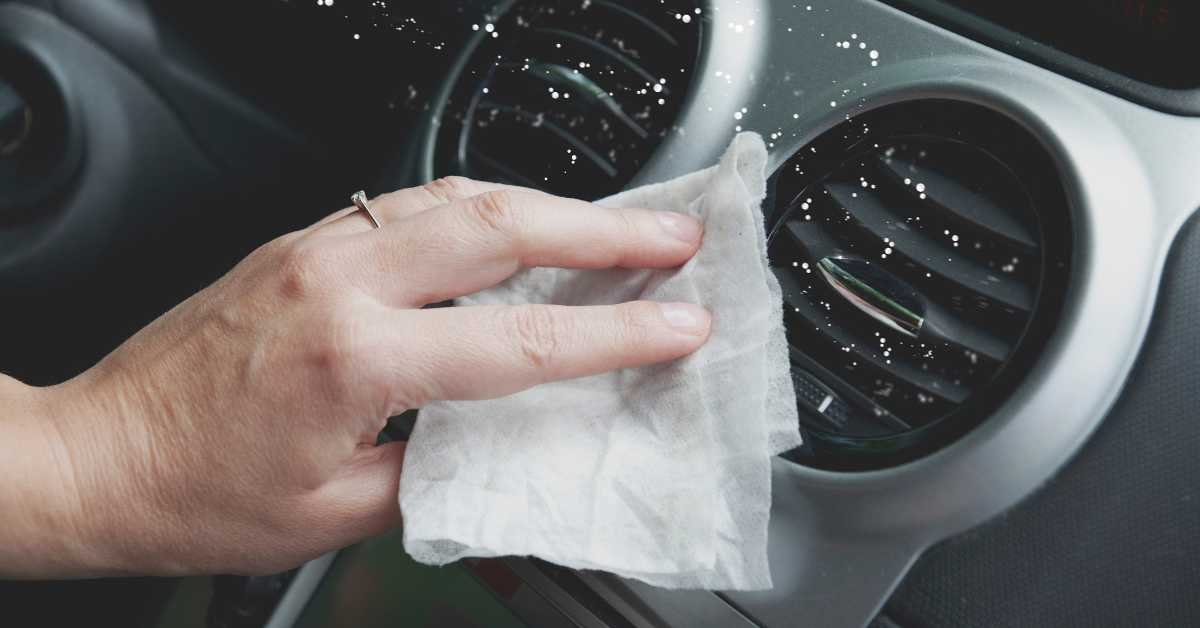
I had one cloth that I used everywhere, like in my kitchen, glass, countertops, and even sometimes on the floor.
So, I used to rinse that cloth, squeeze out the water, and assume it was clean enough.
Technically, it looked clean, but it wasn’t, because it had dust particles, grease residue, and detergent buildup that I couldn’t see after cleaning surfaces. (I would see after the surface is fully dry)
Here are things that I noticed:
- Faint streaks on glass
- Weird patterns on floors
- A dull, cloudy finish on counters
That’s why after drying, the surface feels unfinished, like something is sitting on top of it.
I once cleaned my bathroom glass properly and thought, I’m done but after it dried, I could clearly see tiny dots and lines.
So,
Now, before I wipe anything, these are things I ensure I’ve done:
- I make sure the cloth has been properly washed, not just rinsed
- I don’t reuse a cloth across all surfaces
- Also, avoid damp, half-dirty cloths completely
Wet Cleaning Before Removing Loose Dust
Another mistake that makes dirt come back fast is skipping dry cleaning altogether.
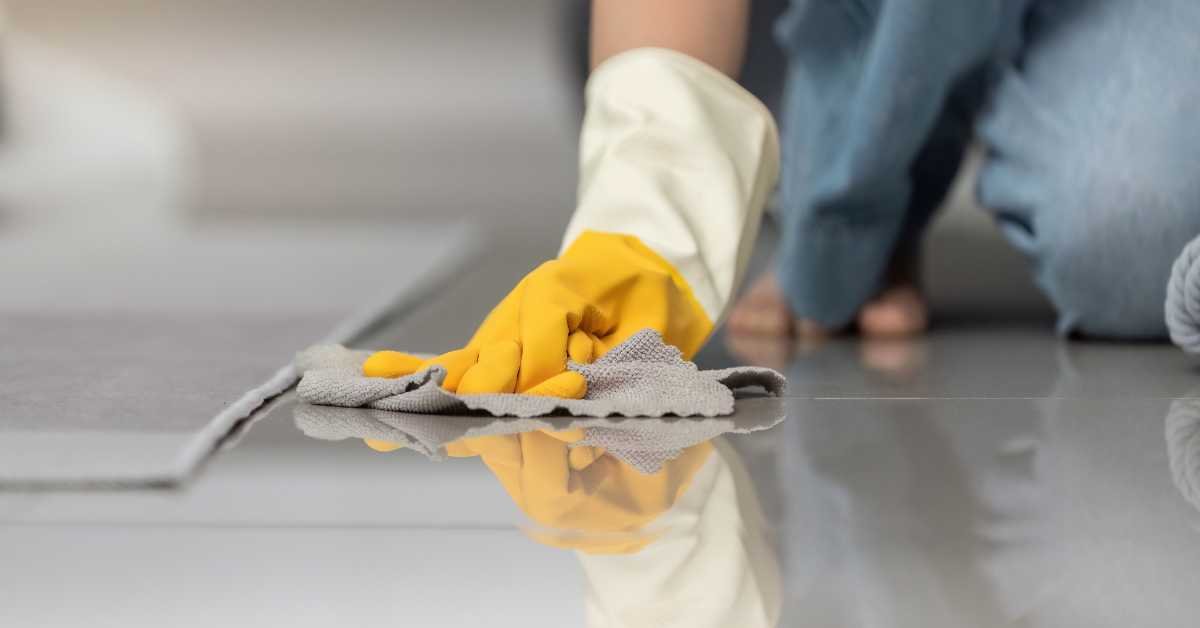
Earlier, I used to go straight in with a wet cloth, because I thought moisture would clean better.
But what I actually noticed is that when I touch dust with a water-soaked cloth, it turns into residue.
And that residue sticks to surfaces instead of being removed or sometimes spreads all over the surface.
So instead of lifting dust away, you’re binding it to the surface.
That’s why if you make a mistake, you’ll also notice:
- Floors show faint mop lines
- Counters will feel sticky later
- Glass will look dull instead of clear
Now I always do one thing first: remove loose dirt.
Sometimes I do sweeping, and sometimes vacuuming or just a dry wipe. But I never skip it.
Cleaning the Surface but Ignoring What’s Above and Around It

You can clean a counter perfectly. But if the wall behind it is dusty, or you haven’t wiped the shelf above in weeks, that dust will fall back down.
I noticed this clearly when cleaning my kitchen. I used to clean only the slab, but after some time, it looked dirty again very quickly.
But when I wiped the nearby wall and shelf too, it stayed clean longer.
So when I’m doing a proper clean now, I think in layers:
- Check above this surface (I’m going to clean)
- What’s next to it
- Airflow passes through here
Touching Surfaces Before They’re Fully Dry
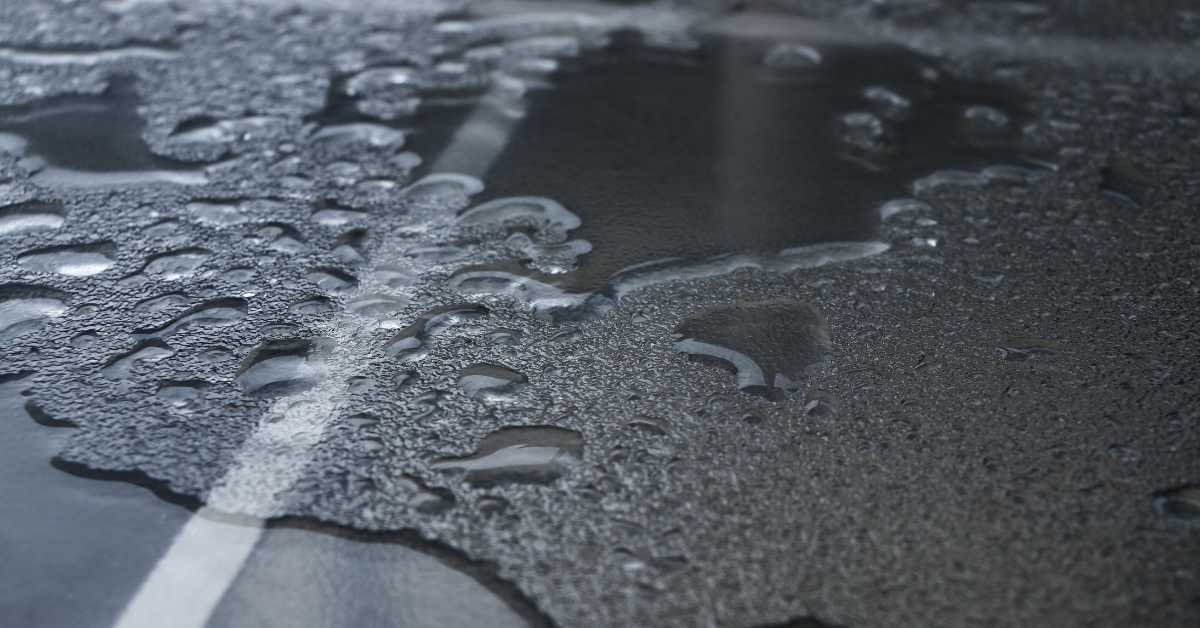
I know this is very basic, but it’s still a very common mistake.
After cleaning, we often try to check the surface with just one touch, adjustment, etc.
So, if your surface is still damp:
- Fingerprints will sink deeper
- Dust will stick instantly
- Residue sets
That’s why a surface can look fine when wet but messy once dry.
Forgetting Hidden Areas That Feed Dust Back Into the Room
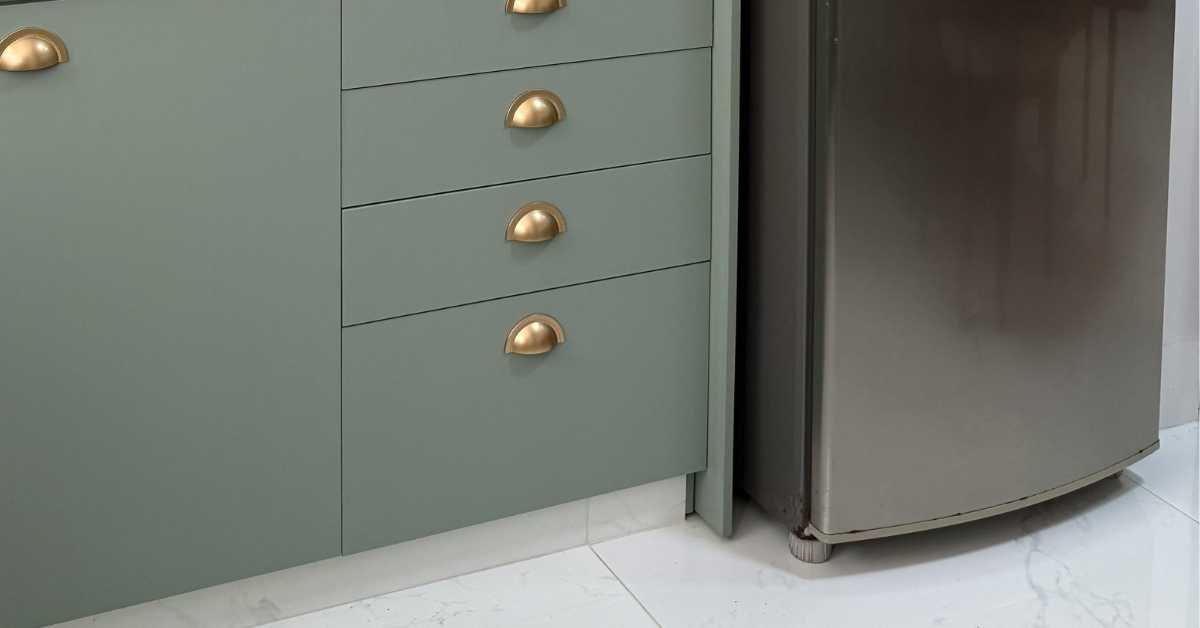
I myself used to do it, and still do (when I’m lazy or in a hurry)
For regular cleaning, I didn’t focus on the under the bed, refrigerator, or beneath the cabinets.
Because from above, they don’t look dirty, so I would ignore them, but I saw that they also store dust particles.
And, when I ran the fan, I saw dust re-enter the room, slowly, but too quietly, even hard to notice at first.
I could feel dusty after a day more.
Btw! I don’t clean these areas daily, but I include them regularly.
Especially when I’m going to clean my whole room.
Also read: What to Clean First When Your House Is Already Very Messy
Overusing Cleaning Products
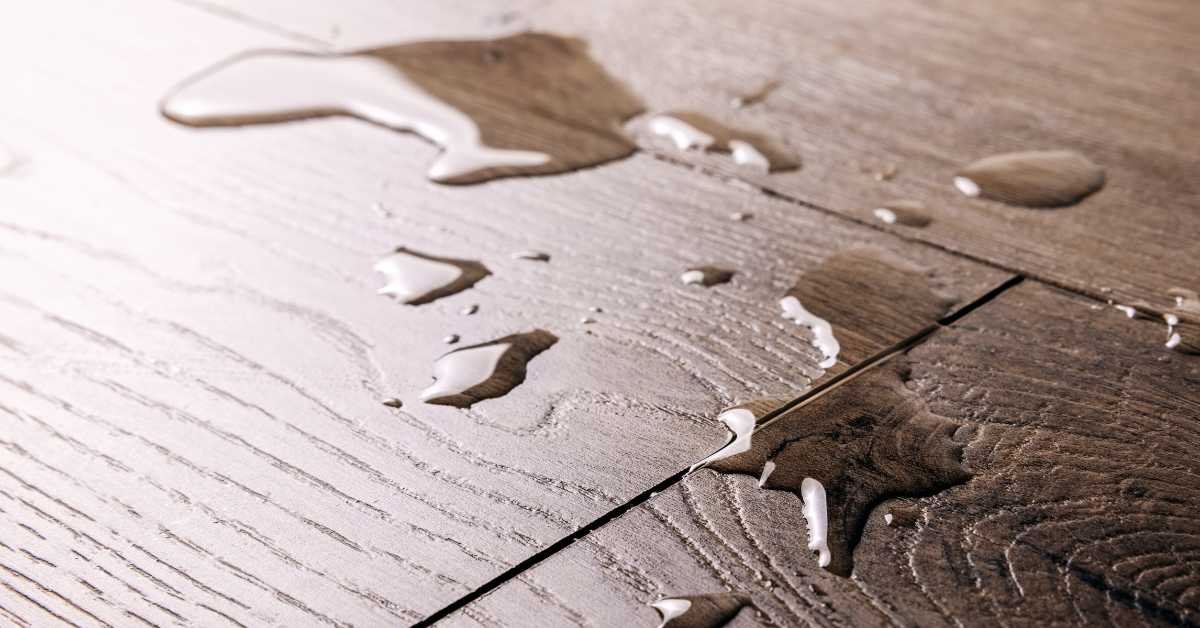
When we have more products, it feels like more cleaning. In reality, it creates the opposite effect.
Excess cleaner:
- Leaves residue
- Makes surfaces sticky
- Attracts dust faster
You can notice it on floors and counters, they will look shiny at first, but also dull quickly.
Based on what I noticed at home, most surfaces need:
- Minimal product
- A clean cloth
- Proper rinsing of that cloth
Letting Fans Undo Your Work
If you turn on a fan immediately after cleaning it, I know it’s helpful. I also do it, especially when the surface is wet, even in winter, because it dries faster. But it also:
- Pulls dust from corners
- Blows particles from untouched areas
- Redeposits dirt on damp surfaces
Now I clean first, let surfaces dry naturally, and only then turn fans back on. Or I clean all places, then turn, and frankly speaking, I sometimes just turn without caring much about that.
Treating Cleaning as a Single-Step Task
Cleaning will work best in stages:
- Firstly, you can remove loose dirt
- Clean residue
- Let the surface settle
If you try to do everything in one wipe, you’re not doing anything properly.
What Actually Changed for Me
When I fixed these habits:
- Now my surfaces stayed clean longer (but only when I’m following all these things which I shared, cause I still sometimes don’t do that, due to my laziness)
- The glass looked clear.
- Floors don’t show random marks.
Conclusion
Any surface in the home won’t get dirtier faster on its own; we just unknowingly train them to.
For example, if you don’t keep your cleaning cloth or any other cleaning tool clean, you can’t achieve real cleanliness. Plus, if you don’t remove dust first, as you avoid or forget to clean hidden areas, your house will get dirty again.
Therefore, you must pay attention to these mistakes; you should use a separate cloth, pre-clean properly, let surfaces dry fully, and not skip dust sources.
By following these small things, your surfaces will stay clean longer.
FAQs
Why do surfaces look dirty again just hours after cleaning?
This happens when dust smears instead of being removed, you’ve left residue behind, or a damp surface attracts new particles.
That’s why you should use a half-clean cloth or skip dry dust removal.
Is rinsing a cloth with water enough before reuse?
No. Rinsing will remove visible dirt but won’t remove fine dust, grease, or detergent, plus residue will be trapped in the fibers.
And that leftover residue will spread onto surfaces and become visible once everything dries.
Does using more cleaning products help surfaces stay clean longer?
Actually, no. If you use too much product, it’ll leave a film that will attract dust and make surfaces feel sticky.
Can fans really make surfaces dirty again?
Yes! Your fans can lift dust from corners, under furniture, and other untouched areas, then deposit it onto cleaned surfaces.
That’s why either let the surfaces dry fully, or clean those areas too before turning the fans on.
How often should hidden areas like under the bed be cleaned?
Not daily, but regularly. If you ignore these areas for weeks, they will become dust reservoirs that will slowly make your room dirty.
Do I really need separate clothes for different surfaces?
It’s good, if you can use that, it will help you a lot.
Floor dirt, kitchen grease, and glass smudges are different types of mess. If you use it for everything, it may cause problems, unless you properly clean it every day.
What’s the simplest change that makes the biggest difference?
Pre-cleaning is the best thing I’ve ever noticed. It removes loose dust before wet wiping.
This single step will prevent smearing, residue buildup, and fast re-soiling more than almost anything else. So I recommend you follow it.

Abraham is the founder of Household Chores Spin the Wheel and built its free spinning chore tool. His cleaning and organizing advice comes from years of real household experience and family-taught habits. He shares practical, stress-free routines that actually work.