
I have noticed that batching household chores reduces mental load, like when you are batching, you won’t have to think about unfinished tasks, half-started jobs, and making more decisions, etc.
However, I’m not continuously batching household chores because my mother helps me a lot, but still, when she’s not at home, I have to do many things like dishes, laundry, cleaning, errands, etc.
In the past, I have tried to batch my household tasks, and in the future, I will do it too.
So, in this post, I will share my strategies. If you follow them, they will help you reduce your mental pressures, too, about household chores.
Why household chores create mental load even when they’re small

We get more household stress because of interruptions and switching.
For example, I often have too many tasks at home, like I have to wash my dishes, move laundry, and do other stuff.
But sometimes, while washing dishes and doing other work in the kitchen, I remember, let me check my Amazon order, and sometimes, I even open social media or start doing something else.
After scrolling, when I come back to the main work that I was doing, like washing dishes, I feel I have to pay more attention to get that same focus that I had before while washing the dishes.
Often, it even takes 10 to 15 minutes to get back the same focus and flow.
Though if there are fewer dishes, I mostly prefer washing just after eating because it reduces the later household burden. But yes, interpretation can happen with any chore.
Also read: How to keep the house clean when working full time
What Batching Household Chores Actually Means

In simple words, batching household chores means you have to group similar chores and complete them on a specific day and within a specific time frame.
And the benefit of doing that is that you don’t have to overthink about your work, and it also feels good and organized, and gives you mental clarity.
Similar chores usually share:
- the same location
- Tools
- And the same type of thinking
When you batch them, you reduce setup time, cleanup time, and most importantly, decision-making.
Do a Task Audit Before Changing Anything

Before batching household tasks, you will need mental clarity. So for one week, I’ll recommend that you note down these things:
- Physical chores: Cleaning, cooking, laundry)
- invisible work: Planning, remembering, checking, deciding
I want you to pay attention to Invisible work matters because they’re sometimes hard, as we have to remember to pay a bill or plan meals, etc.
I just recommend you note down a simple pattern:
- which tasks you repeat daily
- Which work interrupts you the most
- And ones feel heavier than their size
Create Chore Categories that Fit Your Home

After that week, we have completely noted down what you are doing, or you already know what you usually do, like a pattern. So the next thing is to categorize them based on similar efforts.
And here is my experience, these categories tend to work well:
- Administrative tasks: Paying bills, checking subscriptions, scheduling appointments, handling emails or messages that aren’t urgent.
- Cleaning work: Mopping floors, dusting, bathroom cleaning, and deeper kitchen resets.
- Errands: Grocery shopping, pharmacy visits, picking up routine household items.
- Laundry and organizing: Washing, drying, folding, putting things away, resetting spaces.
- Food preparation: Meal planning, chopping vegetables, preparing spice mixes or bases ahead of time.
Remember that these categories are mine, which I often have, so you can switch things up, but make your categories in a similar way as I did.
Schedule Categories Around Your Energy

Now, to get most of the benefit of batching chores, you have to schedule your work based on your energy level.
For example, I am more mentally clear in the morning, so I personally prefer planning work, whether it is about my post, about something else, or even about my food preparation.
At that time, I feel good, and just like that, in the afternoon, I feel a bit lazy. So, at that time, I preferred administrative tasks.
And I like a heavy-going worker when I am physically more awake. And now this energy can also depend on any day of the week, because on some days you might feel better and more energetic.
Like Saturday might be good for heavy work, because you know tomorrow is Sunday and you’re gonna visit somewhere, like watch a movie.
So it will automatically motivate you. In that case, Saturday might be a good day, but that’s my personal point of view.
You can decide on your own. I just want to say you should schedule your tasks based on your energy.
Assign Days Without Creating Pressure
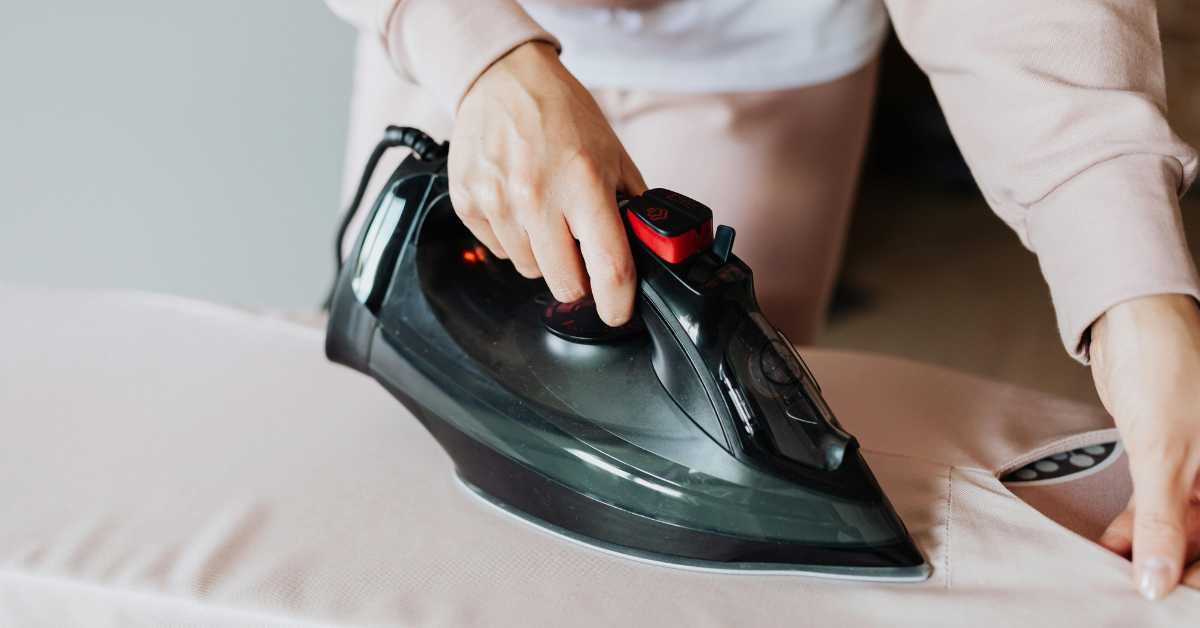
You should give a specific category or a specific day, but only if it will reduce your mental pressure instead of increasing it.
For example, Sunday is often good for me for deep cleaning, and sometimes it is also Saturday.
Though this is a very simple decision, to me personally, it feels good because if I can’t do something on other days, I know that I’m going to do deep learning, so I will do the remaining work on the deep learning day.
This is a very simple method. And just like that, you may want to do laundry, errands, etc., on any day.
I just want to say, give yourself a category a day that will reduce your pressure.
Batching Household Chores Examples
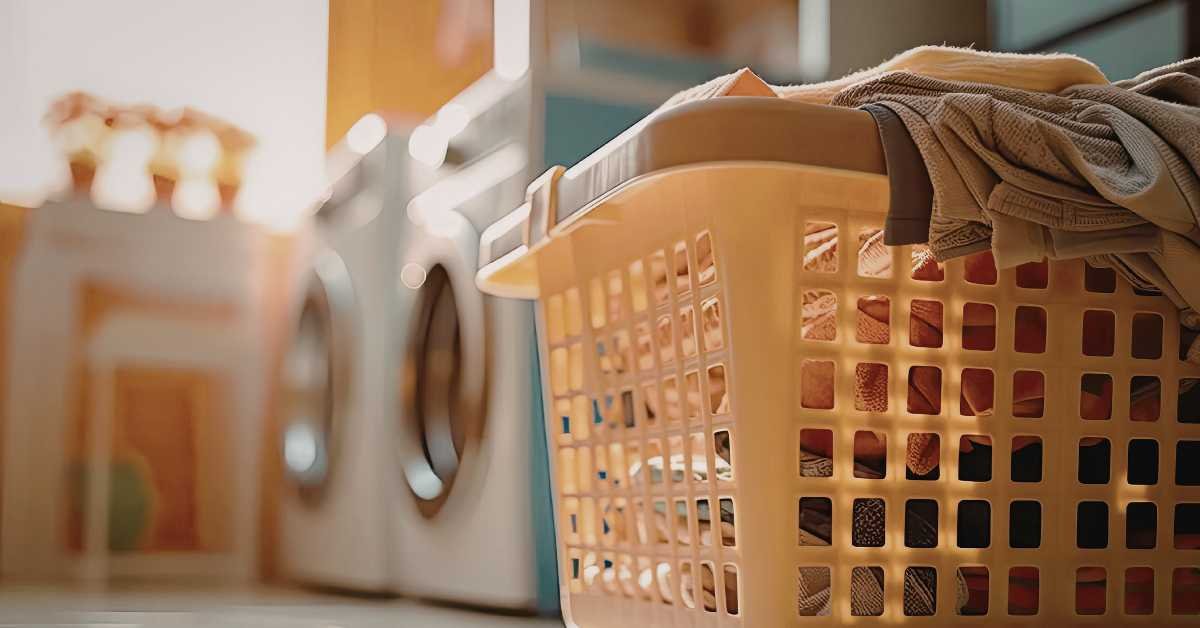
Here’s an example of how batching can look without overloading any day:
- Daily basics: Short, predictable tasks like making your bed just after waking up, washing dishes after meals, and quick resets.
- One weekday: Laundry, grocery shopping, basic meal planning.
- Another weekday: Deeper cleaning of main living areas.
- One admin day: Bills, appointments, emails, messages.
- One lighter cleaning day: Bathrooms, bedrooms, hallway resets.
- Weekend: Flexible, like you spend time with family, meal preparation, or rest.
These are just examples; either you can follow them as they are or create your own.
Start with one Category Works Better than Changing Everything

After reading this post, if you try to batch everything at once, it can also backfire.
That’s why, to drop your mental load, I would recommend you try with just one category. If it feels good, then go with it; do not.
Like in the beginning, you can go with the laundry because it’s a common starting point.
So you can make one or two seasons in a week, like Saturday, Sunday, whatever day is suitable for you, and then do this work, and you won’t have to think about other days doing laundry.
And if you are doing it comfortably, then you can also batch other household chores.
Also read: Tips to Organize a Home without Buying Anything
What Benefits Do You Get from Batching Household Chores?

The benefit you get from your household chores is that your mind will be calmer, and you will stop carrying those half-finished thoughts all the time.
Because of this, your stress will reduce, and everything will be naturally organized in your household.
Conclusion
Batching household chores will make you more productive and reduce the time spent thinking about your household chores.
Plus, it will also reduce the stress level that happens to you because of too many household tasks, and they don’t have a specific time or place where you always feel you have work.
So when you batch them in a specific time frame or days by grouping them based on similarities, you will feel excellent.
FAQs
Does batching mean I have to follow a strict weekly schedule?
No, you don’t have to; batching is okay without any fixed days. You just have to group similar tasks.
What if I don’t have large blocks of time?
You can do that in a short time; focused blocks help as long as you’re not switching between different types of work.
Twenty uninterrupted minutes of one category is often more effective than an hour of scattered effort.
Can batching work in homes with kids or unpredictable routines?
Yes, but if you have to batch your chores flexibly, in a busy home, batching might seem hard, but it’s not.
Is batching helpful if I already do chores daily?
Yes! Daily chores aren’t the problem, but when we start switching between different kinds of chores, it is the problem.
Batching keeps daily maintenance simple, and it also prevents larger tasks from spreading across the entire week mentally.

Hi, I’m Abraham — the person behind Household Chores Spin the Wheel. I share simple cleaning tips, organizing ideas, and practical home routines that I’ve learned from real everyday life.
Most of the things I write come from my own trial and error, small habits my mom and grandma taught me, and shortcuts I discovered while managing the house myself.
I believe chores don’t need to be stressful or perfect — just easy, doable, and something you can finish without thinking too much.
Thanks for being here and reading.
— Abraham