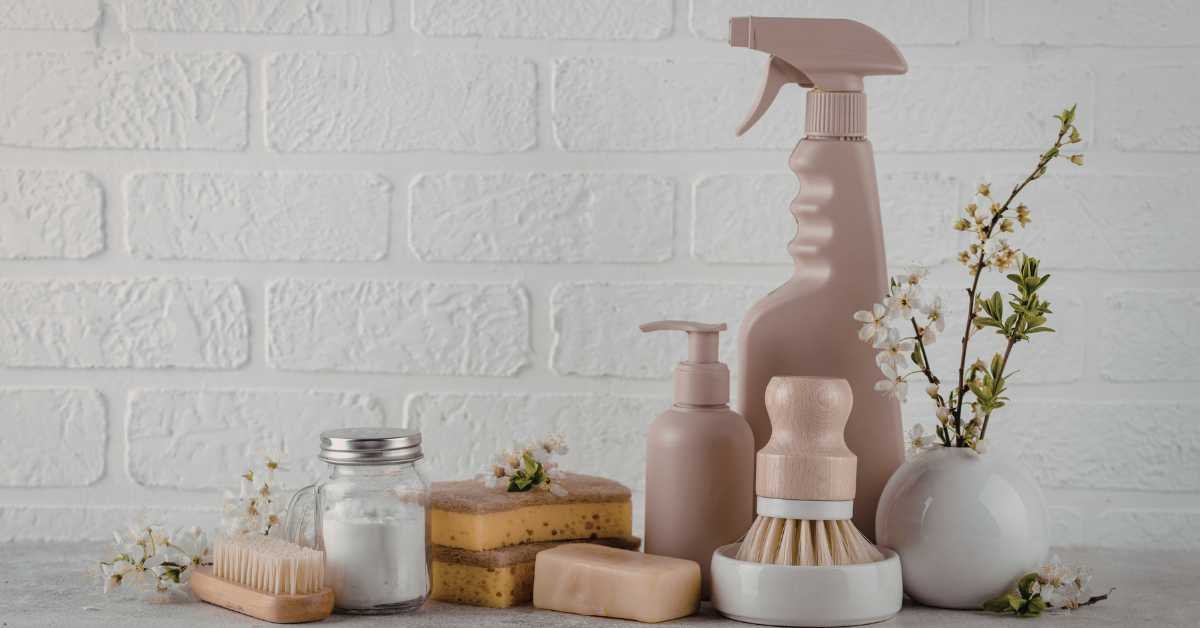
I clean without strong chemicals most of the time because it works, though I’m not always “chemical-free”.
I still use cleaners when I need them, but don’t always reach for them first.
Over the years, especially after 2020, I started using very simple things like baking soda, plain dish soap, hot (almost boiling) water, old cotton cloths, a toothbrush, steel scrubbers when needed, lemon, salt, and sometimes oil.
With these, I clean my stove, oven, sink, tiles, refrigerator, cutting boards, and almost everything.
Although they don’t make everything spotless every time, it’s still clean enough. I can, yeah, it’s hygienic.
Why I Don’t Avoid Chemicals Completely
I want to be clear about this first. I’m not anti-chemical.
I face many situations where I have to use strong cleaners because they save my time, especially when I’m ignoring something for too long.
For example, bathrooms after heavy mold, deep drain blockages, etc.
However, I noticed that most cleaning jobs in a regular home don’t fall into that category.
For example, grease, food spills, sticky marks, dull surfaces, etc, they build up slowly.
And when we catch them early or soften them properly, we don’t need anything harsh (like chemicals).
The Core Principle I Rely On: Soften First, Scrub Later
Strong cleaners work fast because they break things down chemically.
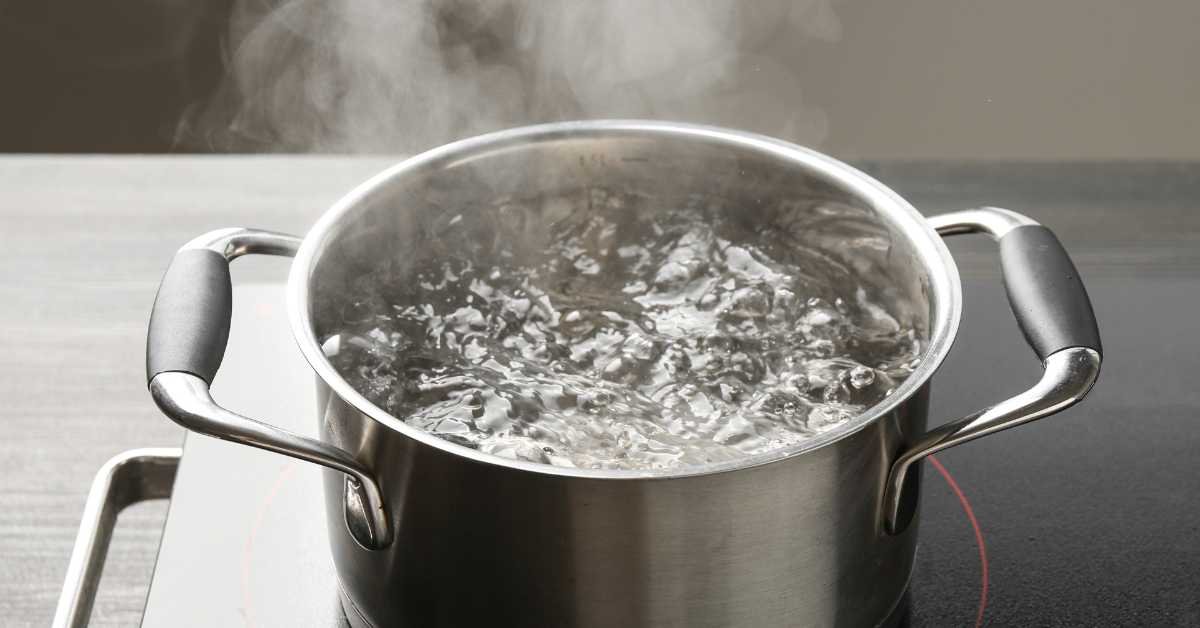
But if you’re not using them, you will need another advantage. For me, that advantage is heat and time.
I use hot water; it helps me loosen grease, relax dried food, open up surfaces, and make soap work better.
Because when we let something sit, even for a few minutes, it stops fighting you.
Most of my methods follow this same idea:
- Apply something simple
- Let it sit
- Clean gently instead of aggressively
How I Clean Ovens and Heavy Grease Without Oven Cleaners
This is one method I have repeated many times, so I trust it.
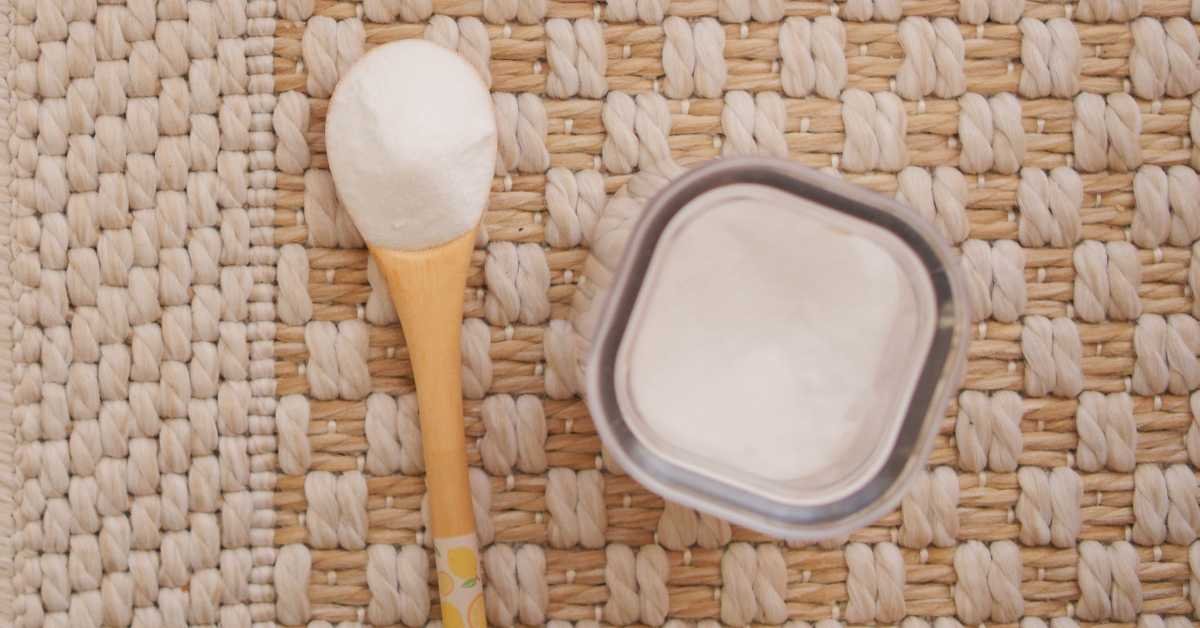
First of all, I boil water first and make it properly hot. I add baking soda and a little plain dish soap.
And then mix until it turns into a thick paste, something like toothpaste. If it’s too runny, it slides. If it’s too dry, it won’t spread.
I take an old toothbrush and spread this paste on the oven walls, bottom, and door, wherever grease has built up.
The toothbrush helps reach corners without scratching anything.
Btw! I do this after dinner, not during the day, because I prefer to leave it overnight.
And then the next day, I put a bowl of boiling water inside the oven and turned it on for about five minutes.
Though I don’t time it strictly, I just want steam, then I turn it off and let it cool a little bit.
After that, I wipe everything with a damp cloth using that boiled water.
With this method, most of the grease comes off easily, but I also do a gentle scrub.
A Simpler Method for Gas Stoves, Tiles, and Chimneys
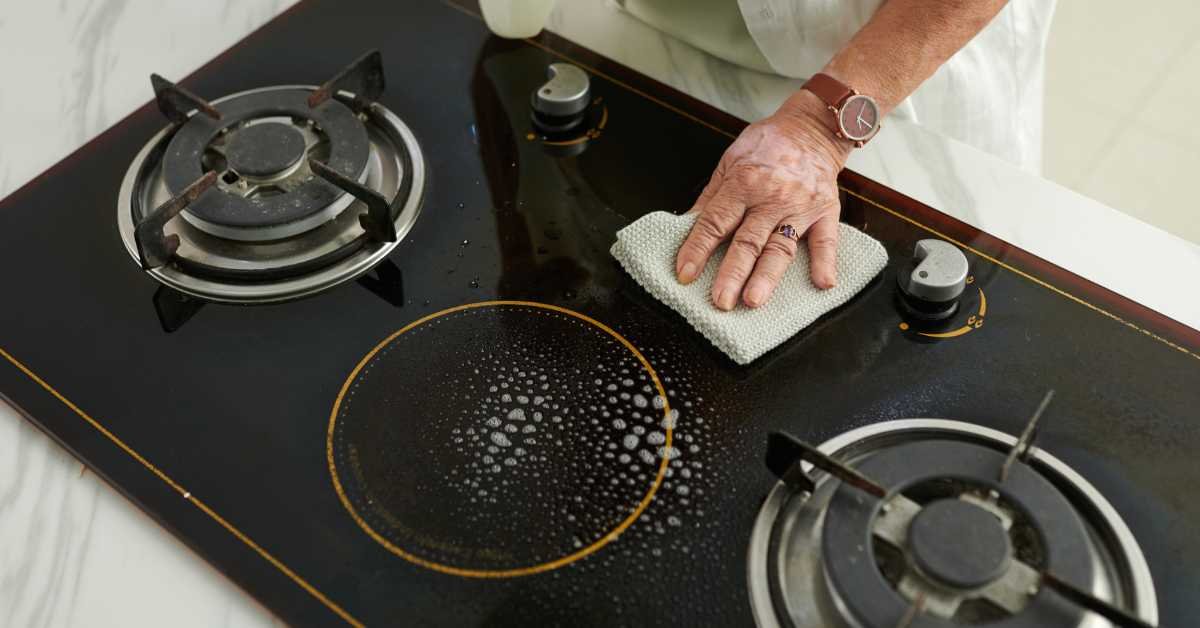
For gas stoves and flat, greasy surfaces, I use an even simpler version of what I’ve discussed above.
I mix very hot water with dish soap, then I dip an old cotton cloth into it, squeeze it a little, and lay the cloth directly on the greasy area.
I don’t wipe immediately, but let the cloth sit there for about 7 minutes (I don’t major time, so it’s just approx, meanwhile I focus on other things)
This step makes the grease soften instead of spreading around.
After that, I rub slowly. And once it starts moving, I clean the rest normally.
This works well on stove tops, tiles behind the stove, chimney surfaces, and even cabinet doors near cooking areas.
Cleaning Sinks and Removing that Sticky Feeling
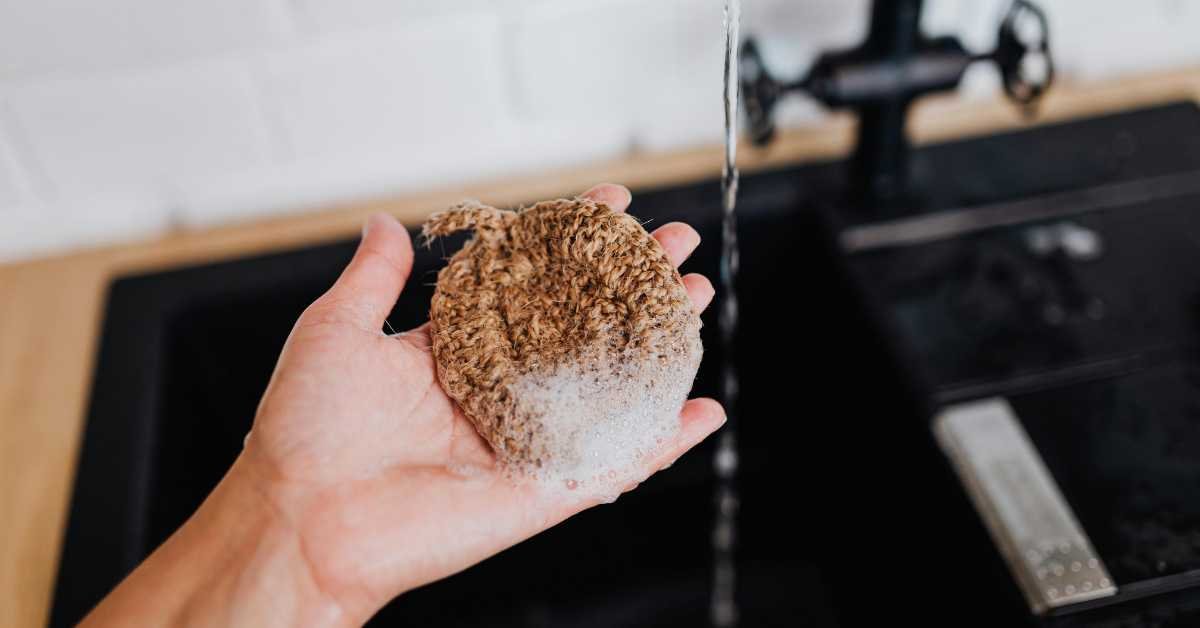
Sinks get dirty in a different way, and there our enemy is not only grease but its soap residue, food particles, and sometimes smell.
I don’t use vinegar here anymore, even though it’s popular. Instead, I sprinkle baking soda directly into the sink, add a bit of dish soap, and scrub with a cloth.
After that, I pour hot water and rinse properly.
If the sink feels sticky, I repeat once more, most of the time that’s enough for me.
For smell, hot water alone helps more than you might expect.
It will flush residue down instead of masking it.
Refrigerator Cleaning Without Strong Smells
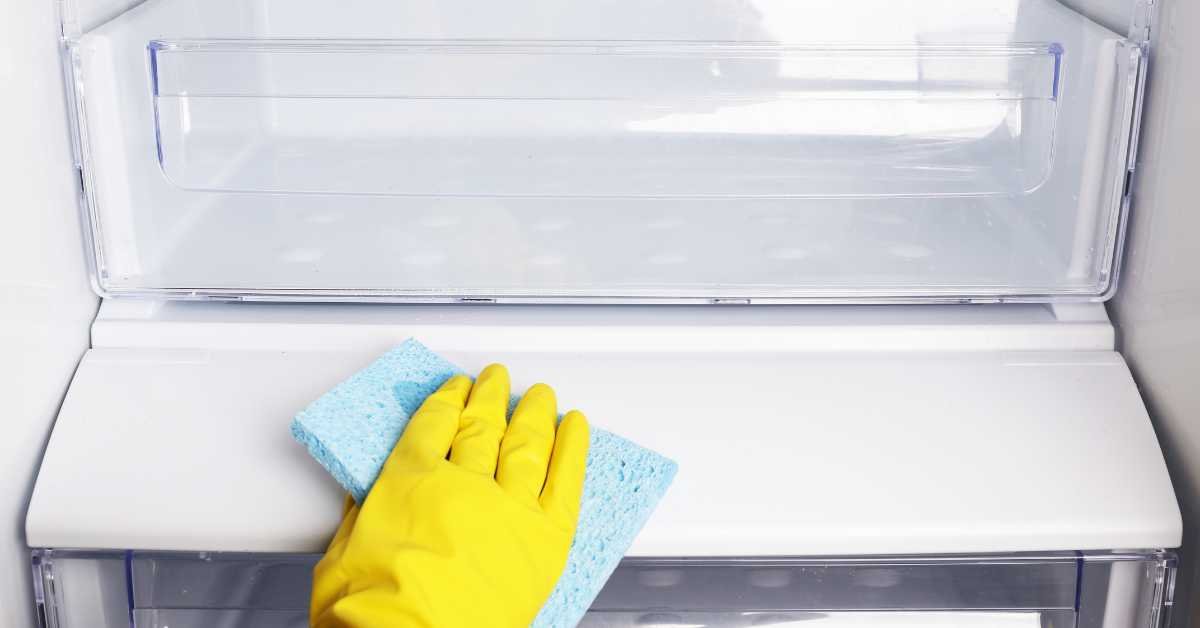
The refrigerator is one place where I avoid very hot water and strong scents.
Here, I use dish soap with warm water instead of boiling water. I wipe the shelves slowly, let them dry completely, and put everything back. That’s it.
I don’t want strong smells inside the fridge, because I also do cooking, I don’t want that smell in my fruits.
However, if something sticky or oily spills, I clean it immediately with the same method.
Also read: Cleaning Mistakes That Make Surfaces Get Dirty
When Salt Works Better than Cleaners
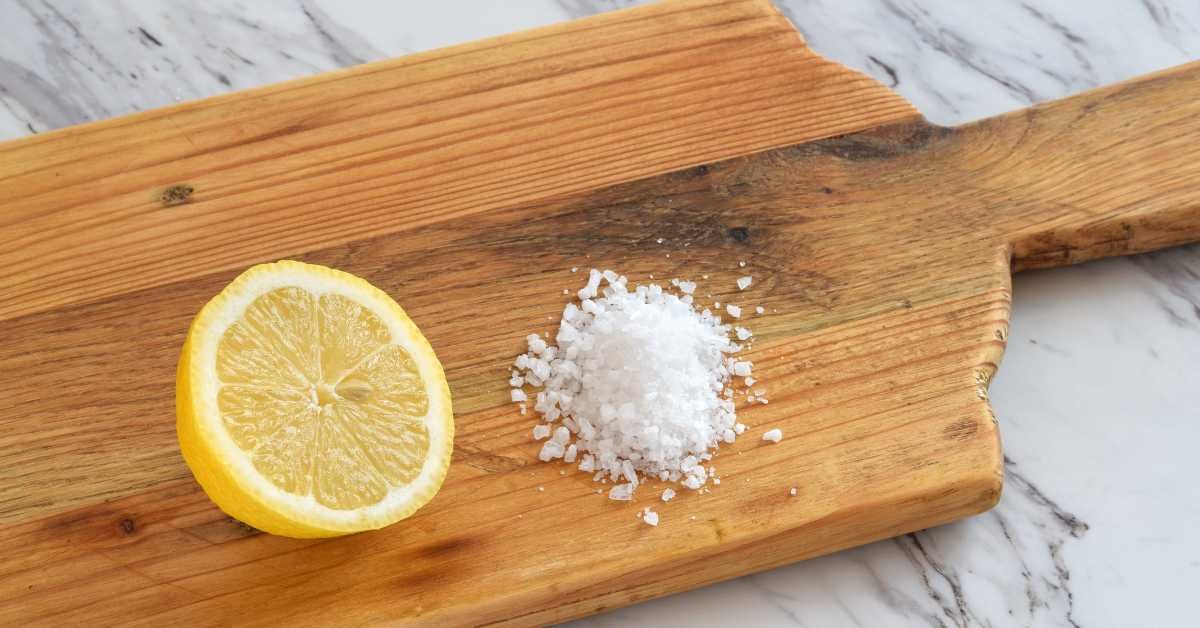
For rough surfaces like iron pans, sinks, cutting boards, and stubborn edges, I use salt.
So, first I sprinkle it on the surface, use a damp cloth, and rub. It pulls dirt without damaging the surface much.
This is especially useful for cutting boards where I don’t want chemical residue.
Besides this, you can also use salt plus a bit of lemon; it will work, but salt alone is enough most of the time.
Using Oil to Remove Glue, Labels, and Sticky Residue
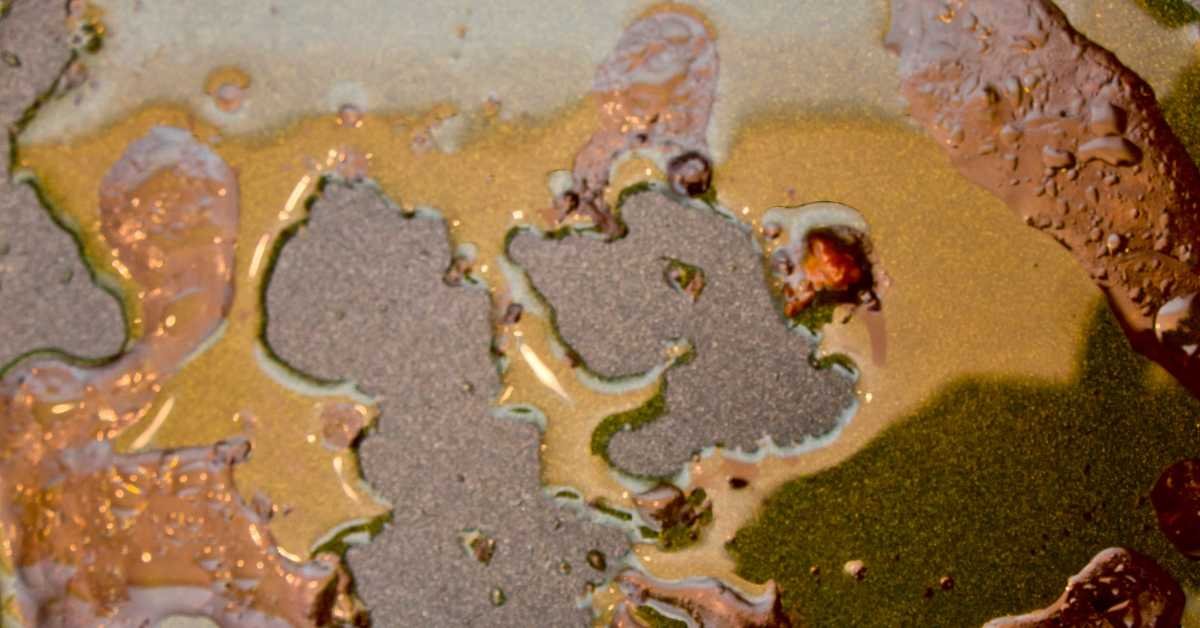
This sounds strange, but oil solves many problems for me.
Glue, sticker residue, price labels, etc, they don’t respond well to water.
Bit oil dissolves oil-based adhesives. I use whatever cheap cooking oil is available, usually mustard oil.
I put one or two drops on the sticky area, rub it, and let it sit for a minute.
Then I wipe it off and wash the surface with soap and water.
Tools Matter More Than Products
One thing I learned early is that tools do half the work.
Old cotton cloths clean better than some fancy wipes, plus, for me, it’s easier to make my toothbrush reach every corner than other things; also, steel scrubbers are useful if you use them carefully.
Right now, if you’re struggling with “natural cleaning,” it’s because you might be using the wrong tool or the wrong method.
What This Approach Does and Doesn’t Do
I personally follow these things, and here’s what I notice:
- Reduces how often I need harsh chemicals
- Saves money
- Feels easier on my body
- Keeps everyday mess under control
But it doesn’t:
- Replace disinfectants when I genuinely need them
- Easily clean years of buildup instantly
- Mean everything has to be chemical-free
Conclusion
Cleaning without strong chemicals is very easy. I myself use simple cleaning hacks for everyday dirt, grease, and mess.
Such as hot water, dish soap, baking soda, salt, and simple tools.
Though I’m not saying these methods will replace chemicals completely, and they’re not meant to.
But they will simply reduce your need to use chemicals for cleaning.
Plus, you will feel cleaning less heavy, less irritating, and more sustainable to keep up with.
If something needs a strong cleaner, you can use it, but for daily life, these basics are enough.
FAQs
Is cleaning without strong chemicals actually hygienic?
Yes, for everyday cleaning, they’re hygienic, hot water, soap, and mechanical scrubbing will remove dirt, grease, and most germs properly.
However, you can use chemical or strong cleaning products for illness, mold, or deep bathroom cleaning.
But for everyday cleaning, things that I share will work.
Why does hot water make such a big difference?
Heat will help you loosen grease, soften dried food, and help soap break down oils faster.
On the other hand, many cleaning problems feel “stubborn“ only because they’re cold and hardened.
So, when you add heat, the same dirt becomes much easier to remove.
Can baking soda damage surfaces?
Baking soda is mildly abrasive; it’s safe for most surfaces when you use it gently, but you should avoid heavy scrubbing on delicate finishes like polished stone, glossy coatings, or soft plastics.
If you’re in doubt, you should test a small area first.
Why leave the paste or cloth on instead of scrubbing immediately?
Time will do half the work; if you let soap or baking soda sit, it will penetrate grease and loosen buildup.
But if you start scrubbing right away, it will often spread dirt instead of removing it. And it will make your job harder than it needs to be.
Is dish soap really enough for greasy kitchens?
For regular grease, yes, dish soap is designed to break down oils.
When you combine it with hot water and wait for some time, it handles stoves, tiles, chimneys, and cabinets very well.
However, for heavy, neglected grease, you may need to follow the same cleaning process multiple times.
What about Vinegar?
Vinegar works, but it’s not mandatory. I have used it many times, but in the recent past I didn’t, and for a longer time I’m using other methods that I shared.
Right now, I avoid it mainly because of the smell and because hot water and soap already solve most of my problems.
Does this approach take more time?
Not really! I would say it often saves time because you scrub less, you wait for a few minutes, or sometimes overnight if you’re cleaning the oven.
The work feels slower, but the overall energy spent is usually lower.
Can I Switch Completely to Non-chemical Cleaning?
You can reduce chemicals a lot, but completely avoiding them isn’t always practical or even necessary.
I personally don’t say to remove cleaners completely, I just say, don’t use strong ones, simple methods are working for you.
What’s the biggest mistake people make with “natural” cleaning?
The biggest mistake that I myself made was scrubbing too hard, too soon. I thought it would work well, but it didn’t.
Now I focus on heat, time, and gentle pressure, and it works very well for me compared to force.

Hi, I’m Abraham — the person behind Household Chores Spin the Wheel. I share simple cleaning tips, organizing ideas, and practical home routines that I’ve learned from real everyday life.
Most of the things I write come from my own trial and error, small habits my mom and grandma taught me, and shortcuts I discovered while managing the house myself.
I believe chores don’t need to be stressful or perfect — just easy, doable, and something you can finish without thinking too much.
Thanks for being here and reading.
— Abraham