
To learn how to get kids to do chores without nagging, you have to understand how children experience effort, responsibility, and fairness.
I’m 25 now, but about 15 years ago, I disliked chores when they came with pressure, and sometimes my mom used to scold me, therefore, I had to do them, but not willingly.
At the same time, my uncle (my mother’s younger brother) handles responsibilities very differently, first as a kid themselves and now as a parent.
Today, I also see how my uncle’s four-year-old son participates in household tasks without daily nagging. And that’s what I’ll share with you today.
Why Nagging is Not Good Even When Kids Obey

Parents nag because they want something to be done, but when you nag, it turns chores into a power struggle instead, and kids don’t feel it like shared responsibility.
When my mother asked me to wash a plate I had eaten from, I often listened to her. If she scolded me after that, I would still do it, but I felt annoyed because of that task.
Besides this, nagging works short-term because it relies on pressure.
But pressure teaches kids one thing: that this task exists because someone else is forcing me to do it.
Over time, as the child grows, pressure creates avoidance, delay, and emotional pushback, and eventually makes a kid more stubborn, kinda rebel.
So you have to change your approach.
Involve Kids When You Do Home Chores

One of the clearest things from my childhood is this: I was far more willing to help when I wasn’t doing the task alone.
Before I was even 10, my mother and grandmother involved me in what they were already doing.
For example, when my mother cooked, she used to give me something manageable, like peeling onions, handing utensils, and watching the stove switch.
Or like when my grandmother washed clothes, I wasn’t responsible for the whole job. I’d do simple things like turn switches on and off, carry clothes outside, pour detergent, and help hang them in the sunlight.
I was doing these things happily without any pressure, and also learning new things.
From a child’s perspective, working alongside an adult feels cooperative.
So, as a parent, when you wonder how to get kids to help with chores willingly, you should think, “Where can they naturally join me?
Give Tasks That Are Easier for Kids
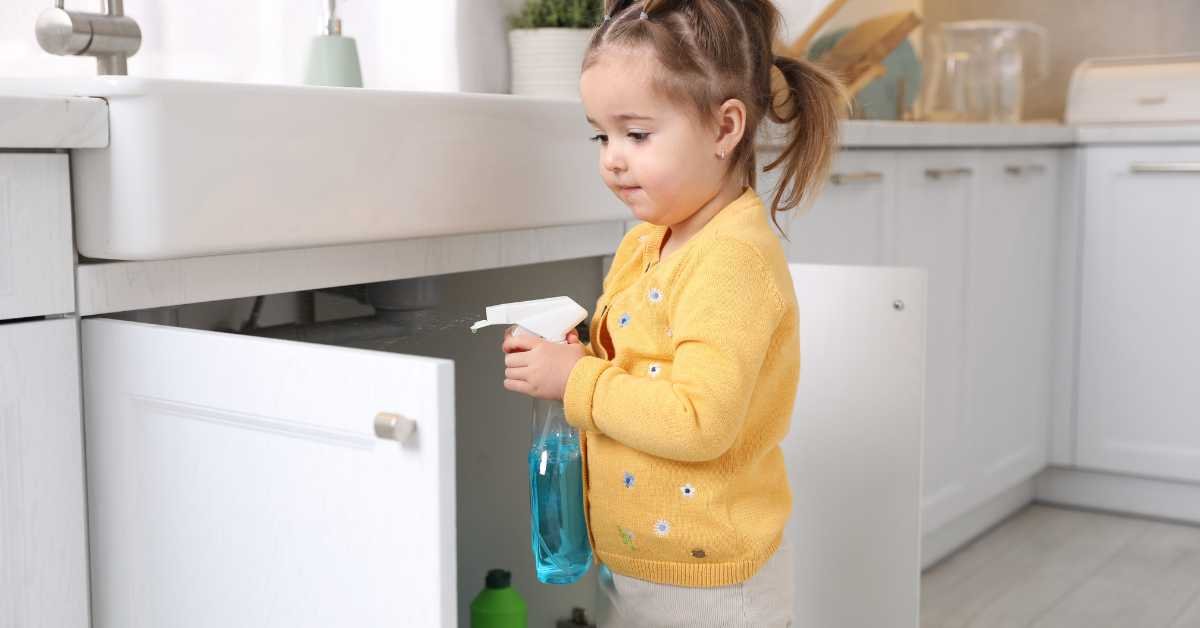
Children don’t resist chores that feel too big, confusing, or too final.
When I was young, my mother didn’t immediately hand me a knife to cut vegetables.
She let me observe first, then help in small ways, and only later allowed me to take on more responsibility. And the task grew with my confidence.
When chores feel easier to kids, they build their trust and interests, especially at the initial stage, while if chores are too hard, kids often prefer avoiding them.
Trust is a common mistake parents make; they assume children should “try harder” instead of adjusting the task itself.
Shared Work Builds Habit Faster Than Instructions
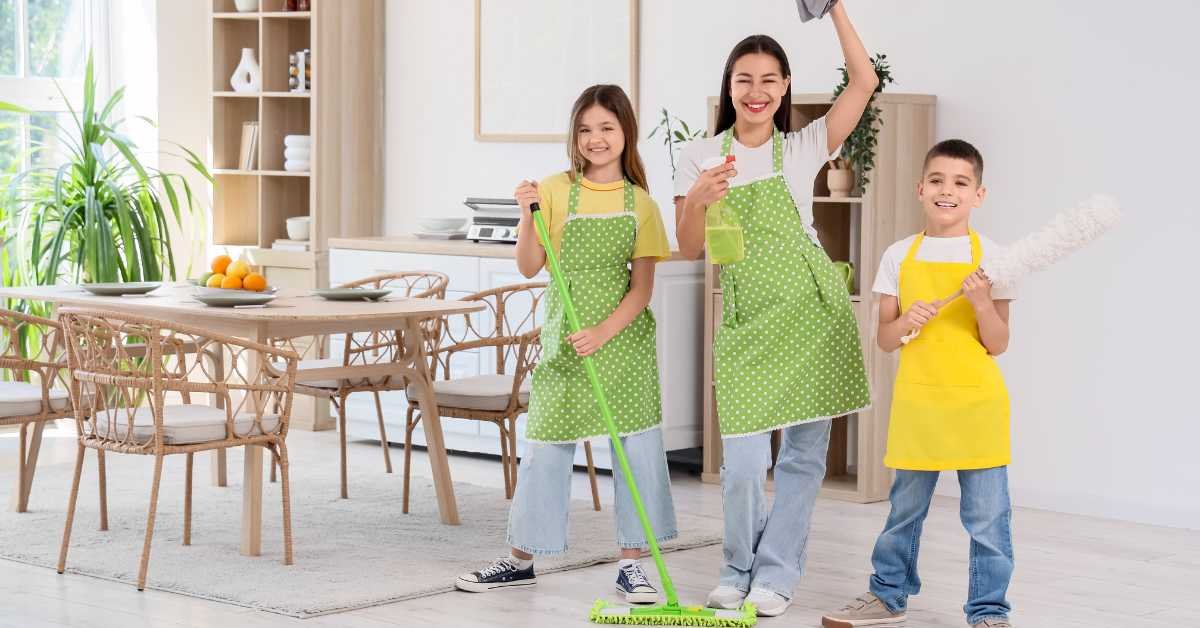
Another reason shared chores work better than nagging is that they repeat naturally.
For example, when you cook every day, your child sees the consistency, or when you clean together, the sequence will become familiar. Your kids will form habits with exposure.
I didn’t need a lecture about responsibility to learn that certain things happen daily.
My mom taught me by letting me absorb it by being present while it happened.
This is why, if you have to explain chores repeatedly, it might fail because your kids won’t understand with words, but they will internalize them through repetition.
What My Grandmother Taught Without Realizing It
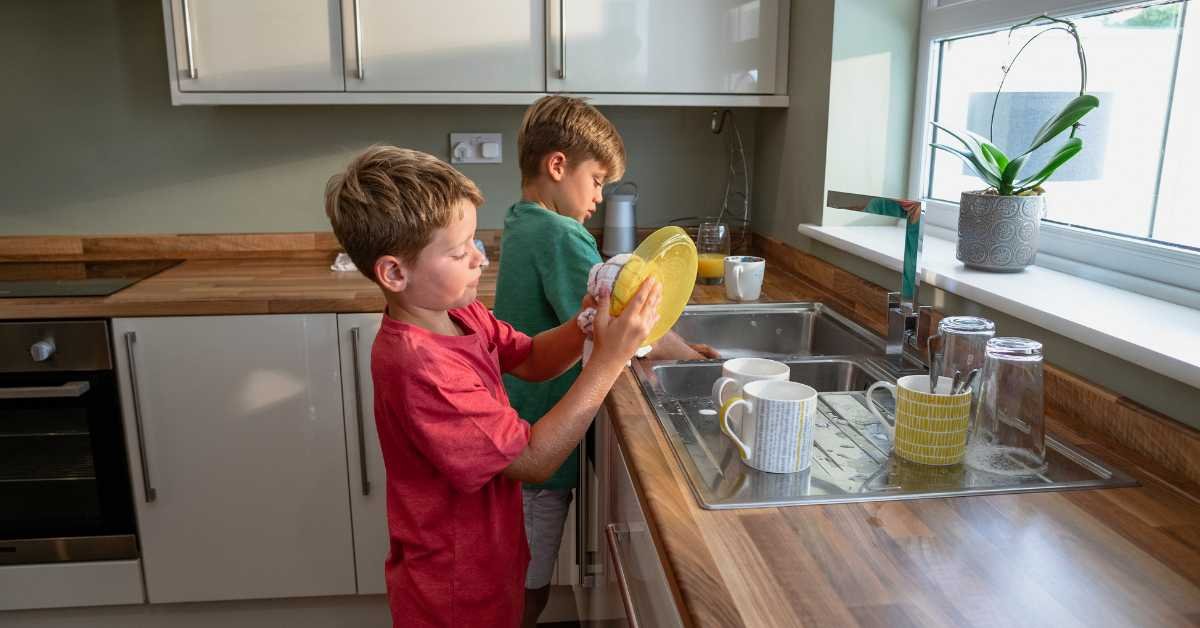
My grandmother unintentionally solved a common sibling problem that many parents still struggle with today.
She had two sons (my uncles), and they had several daily responsibilities involving animals and farmland.
At first, grandma assigned them a task randomly, and my uncle used to argue: “I did it yesterday.” “Why me again?“ Eventually, the grandmother created a simple rotation.
One brother handled goat care one night, the other the next. One went to the market today, the other tomorrow.
Because of this, both of my uncles agreed to this.
So from this lesson, you can learn that kids argue less when fairness is built into the system instead of negotiated daily.
And I suggest you do the same if you have multiple children, as this is one of the most effective ways to reduce nagging.
Also, when your kids know when they’re responsible, you won’t need to constantly remind them that they’re responsible.
Ownership Changes Everything
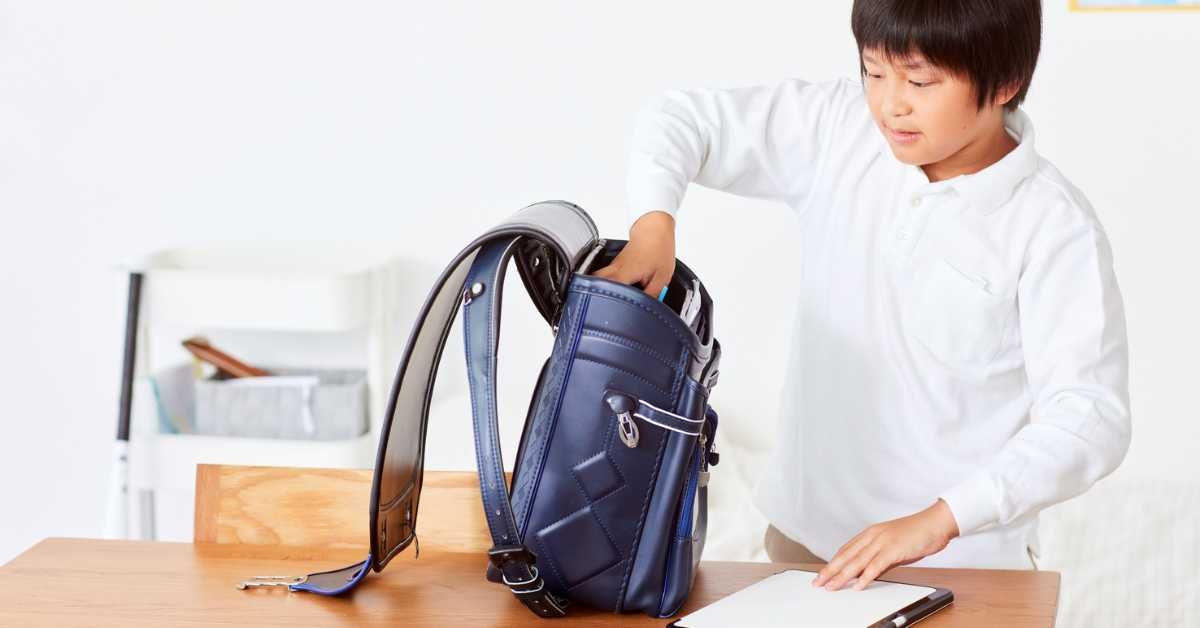
One of the best habits I developed as a child was taking care of my own belongings.
And my mother didn’t enforce it aggressively; she just said, and I followed them because they made sense.
By the time I was around 11, I packed my school bag myself.
I know that on different days I’ve to carry different books. I used to clean my lunchbox most days because it was mine.
Occasionally, I skipped it, and that was okay for my mother, too
So I just want to say that ownership removes resistance.
When a task clearly belongs to a child, it doesn’t feel like an external demand.
This is why children are more likely to:
- Clean their own plate
- Put away their own toys
- Make their own bed
- Wash their own shoes
- Manage their school items
Because there are boundaries around responsibility, once those boundaries are clear and consistent, you won’t have to nag your kids most of the time.
Habits Reduce Emotional Friction
Children don’t mind doing something they expect to do, so what they dislike is interruption.
If a task becomes part of their daily rhythm, it will stop triggering emotional reactions.
As I mentioned earlier, I used to wash my lunchbox, so I didn’t feel upset washing my lunchbox because it was routine. I would avoid some when a task appeared suddenly.
This is an important distinction for parents; consistency matters a lot.
If a kid does a chore imperfectly but regularly, it will create less conflict than a chore that you enforce strictly but irregularly.
Don’t Give too Many Instructions

Another reason for nagging is overload, when a child hears a long list of tasks all at once, they dislike it a lot.
Being told to wash a lunchbox, put away toys, make the bed, sweep the floor, and water plants in one breath will be overwhelming, especially to younger kids.
Even if your kids can do all of it, the emotional weight will increase resistance.
In my experience, tasks land better if you introduce them gradually. One task first, then two, then three, etc.
However, your kids might still prefer lists, but you have to see their reactions by giving them all tasks at once and one by one.
Also read: Chores Children Should Do Without Supervision
Use Rewards Without Creating Dependence

I have seen my uncle make a common mistake with his four-year-old; he gave him his phone to keep the child occupied and then tried to get chores done afterwards.
But sometimes I don’t listen.
So I tell him, ask your child to do the work first, and then get rewards, watch Cocomelon, or whatever you want.
I said this because I’ve experimented on myself. When I have to do something big, like deep cleaning on the weekend, I say to myself, After cleaning everything, I’m going to Play Video Games.
By doing so, I feel motivated and kinda excited.
Young children work for immediate, understandable outcomes, but you should only give rewards when your kids aren’t listening to you.
Let Kids Struggle Without Taking Over
One of the fastest ways to kill motivation is correcting your child mid-task.
When a child tries something difficult like cutting vegetables, cleaning a floor, or folding clothes, initially, they won’t do it perfectly. If you immediately fix everything, your child will think: My effort isn’t good enough.
I remember thinking as a child, “If you’re going to redo it anyway, why should I do it at all?”
Therefore, you can guide but shouldn’t correct by yourself.
Calm Homes Are Built on Boundaries, Not Pressure
If there is one thing all these experiences point to, it’s this: nagging is not a discipline problem, it’s a system problem.
Your kids will cooperate more when:
- They work alongside you
- Tasks match their ability
- Responsibility is predictable
- Ownership is clear
- Effort is acknowledged
- Habits are consistent
Conclusion
Getting kids to do chores without nagging is to design your home system that will work based on how your children actually think and behave.
From my own experience, when chores felt normal or if there was someone with me, like my mother, I was okay and comfortable (I’m talking about the initial stage, when I was too young).
Also, you should give chores that are suitable for your kids, possibly, if he or she already have an interest in it.
Nagging will appear if your expectations are unclear, habits are unstable, or tasks are unfair if you have multiple children.
FAQs
At what age should kids start doing chores?
Children can start participating as early as 2 to 3 years old with very small tasks. You can ask your kid to put toys back or hand out items.
These small habits will make your kids familiar and will teach them a sense of responsibility. As your child grows, you can keep increasing the difficulty of chores based on age and learning ability.
What if my child refuses to do chores even when I involve them?
This is very normal, especially when you’re asking them to do some things. So, instead of escalating, I recommend that you look at why they’re not doing what you’re saying.
You have to know the reason, like is the task too hard, sudden, or isolating? Then you can adjust it.
Should siblings have the same chores?
I don’t recommend it; it might not be fair, especially if kids are too young, like 3 or 5. Instead, you should give chores to your kids based on age, ability, and capacity.
Besides this, you can rotate shared tasks well, but personal responsibilities (like managing their own belongings) should stay consistent.
Is it okay to use rewards for chores?
Yes, especially for younger children, but your rewards should follow effort, and they should not replace responsibility.
Over time, your routine should stand on its own, so chores won’t depend entirely on the rewards system; it’ll also be a bad habit.
What if my child does the chore poorly on purpose?
Early mistakes are part of learning. You should focus on effort first, and then you can guide your kid over time.
But if you constantly fix or criticize your kid, your kid may start disliking that work.
How do I stop reminding my child every day?
If you have to remind your kid every day, it means the habit likely isn’t established yet.
In this case, you should reduce the number of tasks, make timing predictable, and keep expectations consistent.
Can chores really help kids long term?
Yes! Chores will build practical life skills, responsibility, and confidence in your kid.
More importantly, they will teach your kids how to live with others, which matters far beyond childhood.

Hi, I’m Abraham — the person behind Household Chores Spin the Wheel. I share simple cleaning tips, organizing ideas, and practical home routines that I’ve learned from real everyday life.
Most of the things I write come from my own trial and error, small habits my mom and grandma taught me, and shortcuts I discovered while managing the house myself.
I believe chores don’t need to be stressful or perfect — just easy, doable, and something you can finish without thinking too much.
Thanks for being here and reading.
— Abraham