

Time management tips for homemakers often sound very simple on paper, but I have found it a bit hard in reality, especially when I tried it after watching a YouTube video.
However, I’ve learned one thing, that as a homemaker, we should not mainly focus on one thing that we can do faster.
Instead, we should focus on what actually needs attention today and what can wait without turning into a bigger mess later.
Btw, one thing I’m grateful for is that I don’t have to care about a 100% responsibility for my home all the time, so this also makes time management easier.
But I do handle full home resets like once a week, sometimes a couple of times a month. I take care of my room, the kitchen, and the balcony, especially because I experiment with recipes and grow plants.
So these time management habits that actually help me as a homemaker are my own, and they will help you even if you don’t have anyone to help you.
Do Not Treat Every Chore Like a Daily Emergency
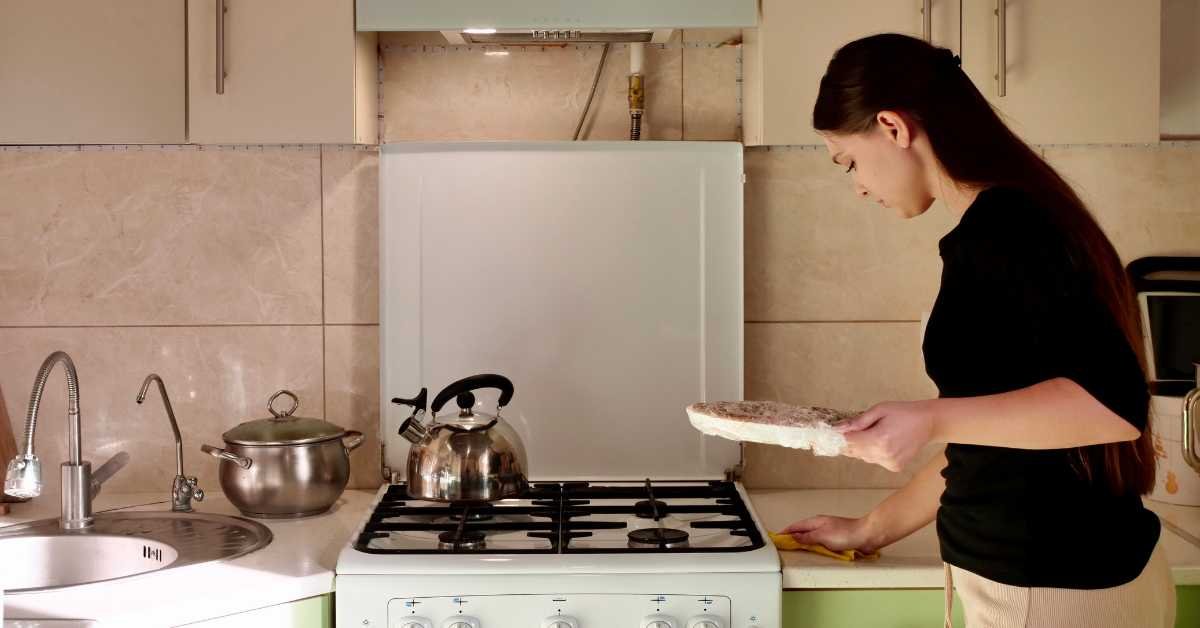
This is one of the biggest shifts for me. I always separate daily work from weekly work (I also recommend you sit down and think about what you can start doing in a week, and what should be done every day).
When I had no plant, I used to do random stuff at any time of day, which used to make my mind tense.
So if you are doing this, like sweeping, scrubbing, deep cleaning, you can stop (unless you have kids, because they can make the home dirty)
For example, when my mother is out of town for weeks, I choose one specific day, usually Saturday or Sunday, and do a full deep clean.
On that day, I clean my floors, laundry, and properly clean, and because I do all that stuff only in one day, I don’t feel burdened before that, I enjoy those days.
If you do the same, it will save your time because you’re no longer reacting to guilt.
So in that, in daily chores, you should include things that really affect hygiene, food, and comfort. And you can wait for a special day for other things.
Group Similar Work Instead of Repeating Effort

One of the simplest time management tips for homemakers is to do similar work together.
If you repeat the same task multiple times a day, you will just waste more energy and time.
Cooking is a good example. If I’m cutting vegetables for lunch and I know dinner will need similar preparation, I would cut everything together during lunchtime.
But why?
That is because my work would be in focus, and I will also have a motivation, that if I am doing it right now, I won’t have to do it later.
The same applies to cleaning; if I’m already wiping the kitchen counter, I quickly wipe the stove and sink instead of leaving them for later.
This is very simple, as I just said; however, I myself wasn’t focusing on that.
However, I don’t mean you should do everything at once. I just want to say, you have to avoid unnecessary repetition.
Use Low-Energy Time Instead of Protecting It Too Much
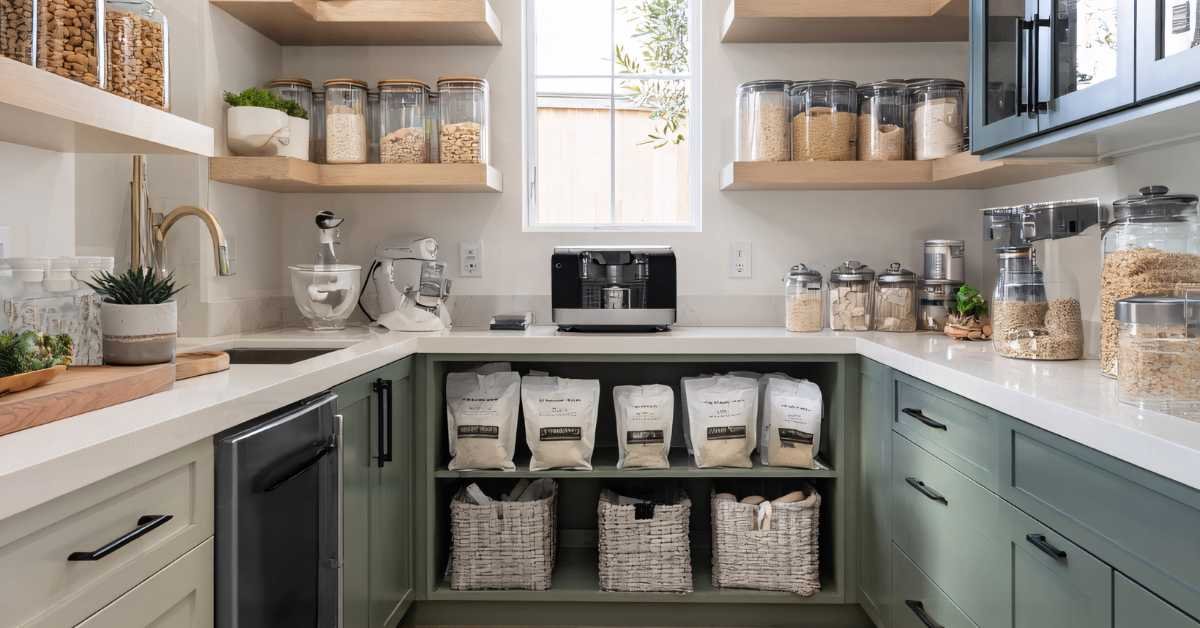
There are small pockets of time that we usually waste without even realizing it.
For example, after 5 p.m., during boring hours, I used to have nothing urgent,
So earlier, I used to use this time only for rest, videos, or games. Btw, I still do these things, but now I don’t protect that time too strictly.
If I know tomorrow will be heavy and I’m free in the evening, I use that time to clear small tasks. Like I do fold my clothes, organize my shelf, prepare ingredients, delete old files, etc.
Although these aren’t tiring tasks, they reduce tomorrow’s load.
Whenever I do this, the next day feels lighter as I feel less pressure.
And by the way, it doesn’t mean I turn my rest time into work time every day. It just uses free time intentionally to make tomorrow easy.
Stick to One Priority at a Time During the Day

If you try to balance everything throughout the day, you will be exhausted. I have personally found it easier to give each part of the day a role instead of spreading everything everywhere.
For example, mornings are best for preparation, planning meals, chopping ingredients, setting things aside in the fridge, and other familiar tasks.
And if I use mornings well, the rest of the day goes better.
Afternoon is good for lighter tasks or rest, because at this time my energy naturally slows.
Evenings are not for heavy chores for me (I have small tasks that I do). Otherwise, I prefer walks, meeting people, or simple activities.
Lower Standards on Busy or Sick Days Without Guilt

Some days are different, like when guests arrive, errands pile up, health drops, etc.
On those days, if you try to maintain a normal standard, it will only make you feel stressed.
I personally lower expectations on busy days, because it’s okay not keep a house looking perfect.
I don’t clean everything properly, and I wait for tomorrow and enjoy today.
Finish Work Before Resting
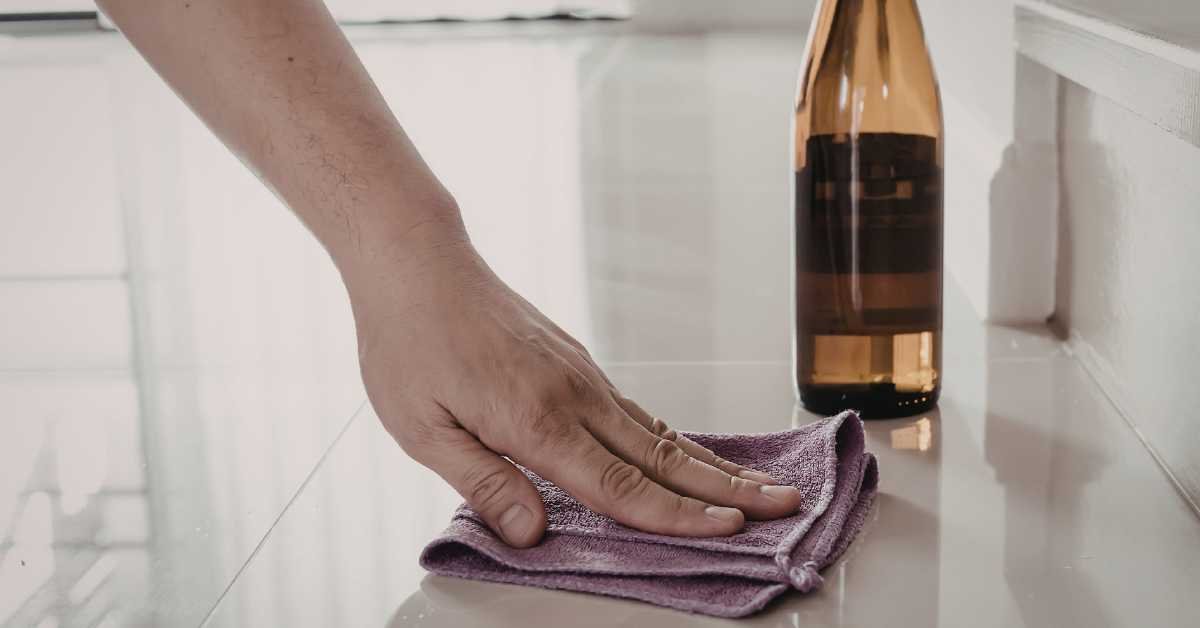
This was a hard habit to change. Before, I used to start cleaning and feel tired halfway, take a short rest, then feel hard to do it again (cause I’m also lazy).
Now, I decide before starting what I’m going to finish. And if I feel tired, I rest before starting or commit to finishing everything first and resting later.
Because I know momentum is very important, I have wasted hours in the past, and still do, but less.
So, if you stop between work, restarting will feel hard to you, especially with physical chores like cleaning rooms or kitchens; uninterrupted effort will save your time.
Use Waiting Time Instead of Letting It Slip Away
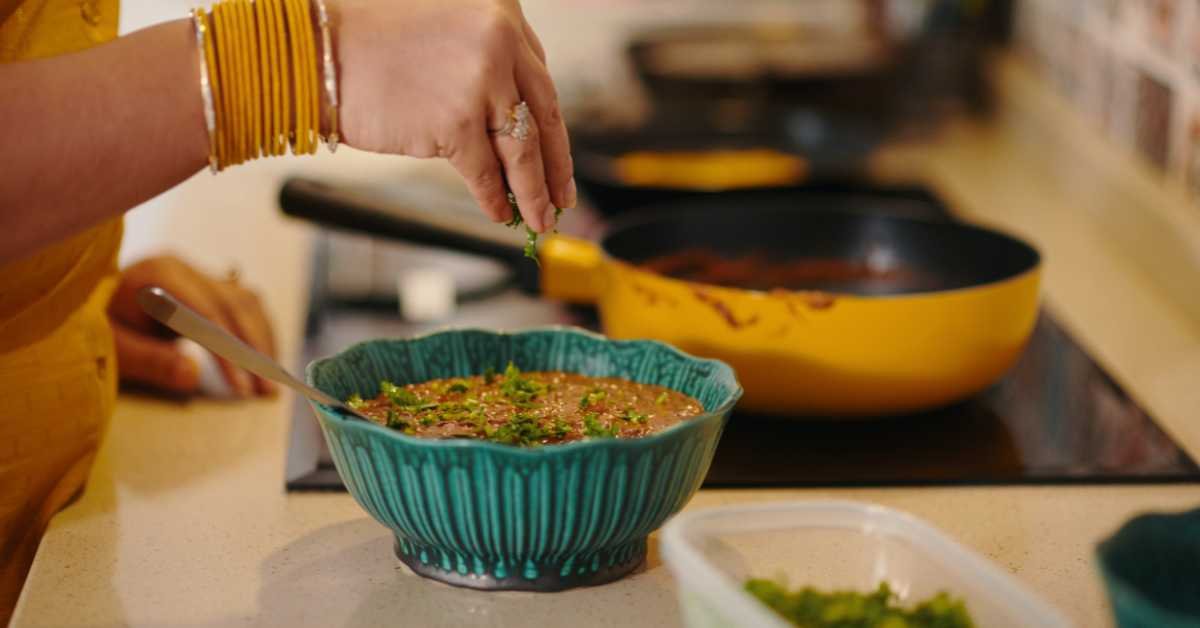
One of the most practical time management habits I follow is using waiting time, for example, when we cook, it creates natural gaps, like during food simmers, boils, ovens heat, etc.
During these moments, I don’t just scroll my phone; I have small tasks that don’t require full attention, so I do them. Like I fold clothes, make the bed, organize shoes, etc.
Just yesterday, while something was cooking, I finished homework, deleted old videos from my laptop, and reorganized my shoe rack.
None of that felt heavy because it happened in a small period of time.
Also read: How to Get Kids to Do Chores Without Nagging
Take Proper Rest on Heavy Workdays

On days when I do deep cleaning or full planning (usually weekends), I allow myself one proper rest break. I start doing chores in the morning.
But takes rest like a nap in the afternoon.
This rest prevents me from exhaustion. If I don’t do so, I start feeling slowed down, and make some mistakes. But after a nap, I work well.
So, rest is also part of time management, not the opposite of it.
Avoid Overplanning Your Entire Day or Week

I don’t overplan. As of now, I have a basic routine; it is not a detailed schedule. Because if I over plan, I will just create pressure.
However, a weekly list is fine, and monthly reminders are also useful.
Like knowing that walls get cleaned once a month and floors once a week is good. But planning every hour will only put you under stress.
Time management for homemakers works best when plans bend rather than break.
Why These Time Management Tips Actually Reduce Mental Load
What I have noticed is that time management at home is about reducing mental noise. When your tasks have clear places like daily, weekly, and monthly, you will feel good and relaxed.
And that, grouping work reduces repetition, you can use waiting time to reduce backlog, lowering your chores standards on hard days to prevent burnout.
Final Thoughts
Time management for homemakers becomes easier when you separate daily work from weekly or monthly work.
By doing so, your house will feel less demanding and if you do all similar chores at once, your mind will stay calmer.
What has worked for me is not doing everything, every day, or perfectly. I prefer to decide what truly matters today and let the rest wait without guilt.
FAQs
How can homemakers manage time without feeling rushed all day?
As a homemaker, you have to decide in advance what is important that you need to do today, and what can be done on a specific day in the week (like laundry, on Sunday).
When you treat essential daily tasks as urgent, you won’t have to pay attention to everything.
Is it okay to skip some chores on busy or low-energy days?
Yes, you can skip some non-essential chores on busy days to prevent burnout. You can handle these tasks later.
How do you manage cooking, cleaning, and resting in the same day?
You can assign one main focus to each part of the day. I personally like preparation in the morning, and so light tasks or rest fit in the afternoon, and evenings are better for walking, meeting, talking, etc.
Does doing multiple small tasks together really save time?
It will save your mental energy more than clock time. When you do similar tasks together, your brain stays in focus, and you’ll also feel motivated, as you’ll know you have less workload for later.

Hi, I’m Abraham — the person behind Household Chores Spin the Wheel. I share simple cleaning tips, organizing ideas, and practical home routines that I’ve learned from real everyday life.
Most of the things I write come from my own trial and error, small habits my mom and grandma taught me, and shortcuts I discovered while managing the house myself.
I believe chores don’t need to be stressful or perfect — just easy, doable, and something you can finish without thinking too much.
Thanks for being here and reading.
— Abraham