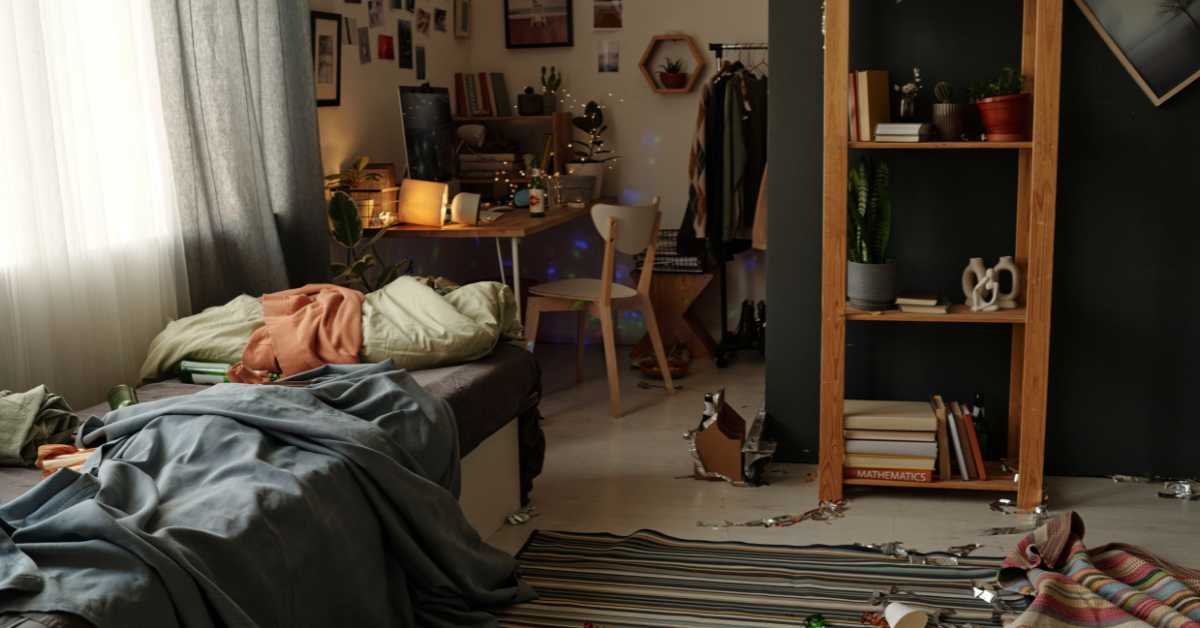
When your house is already very messy, the first thing to clean is anything that makes the mess feel heavier than it actually is.
I don’t recommend you clean the floor, dishes or any other deep stuff first. I don’t do it either, as these are the things that shout at us the loudest.
For me, mess becomes overwhelming when it collects.
Like small tasks pile up and turn into one big, exhausting block.
That’s why I try not to save everything for “Sunday cleaning.” If something is simple—washing shoes, wiping a shelf, clearing a counter.
I clean when I notice and have free time.
Though I’m not disciplined, postponing creates mental weight for me. I feel burdened knowing it’s waiting.
However, if I’m busy or lazy some days and I’ve to clean the whole house at once, this is how I decide what to clean first (in order).
Remove Distraction, Not Dirt
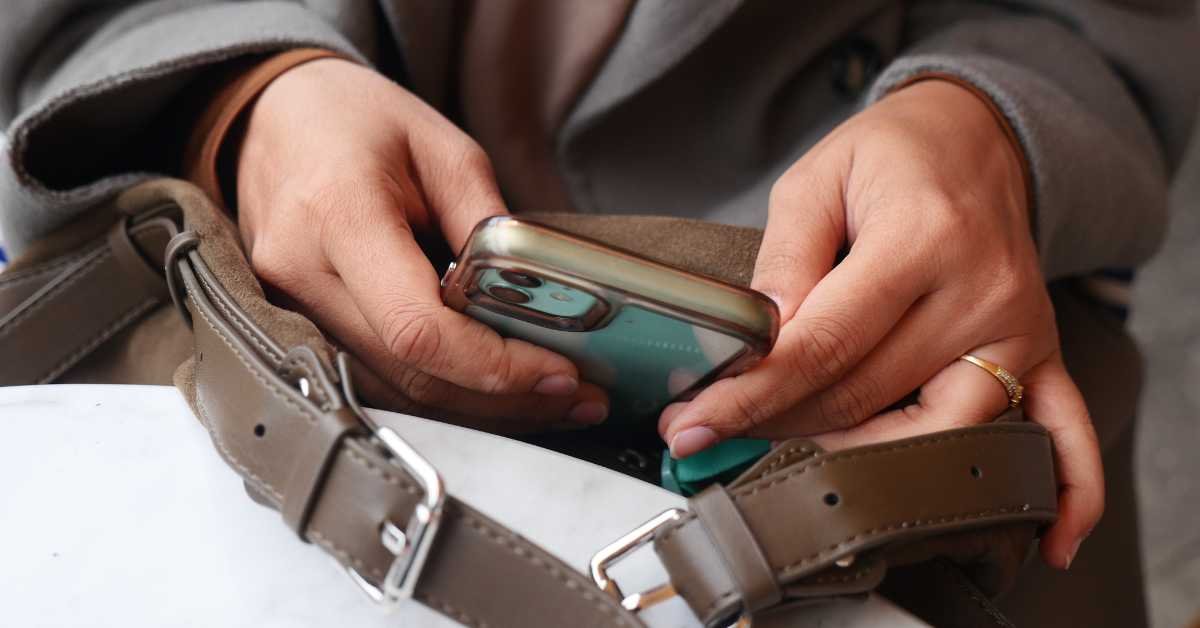
I know it may sound weird to you, but before touching anything, I turn off my mobile phone and keep it away.
This matters more than you would admit.
Many times, my cleaning takes too much time, and that’s not because I feel cleaning is hard.
It just happens because I got distracted.
Like my mind starts wandering about a message here, a reel there, and then I unknowingly spend an hour or more.
And I’m not the only one, I’ve noticed this in people and my relatives, they keep checking their phones and getting distracted.
That’s why I recommend you turn your phone off until you clean your house properly.
Clean from the Top Because Dust Always Falls

The first physical things that I clean are walls, Ceiling, corners, fans, high shelves, or anything else above eye level.
I don’t do it because they’re dirtiest, but because cleaning lower areas first is wasted effort.
If you do so, dust will fall, cobwebs will drop, and fine particles will also move downward.
If I start with the floor or furniture, I still end up redoing work.
That’s why I start from the top, because everything feels really natural (like my working flow).
Besides this, this working order also sets the tone. We often ignore high surfaces for weeks.
And when we clean them, it makes the space feel “reset,” even if the rest of the room is still messy.
Pick Up Everything that Doesn’t Belong Where It Is
This is the most important step psychologically.
After cleaning walls and all the stuff I discussed above, I don’t start scrubbing, wiping, or organizing deeply.
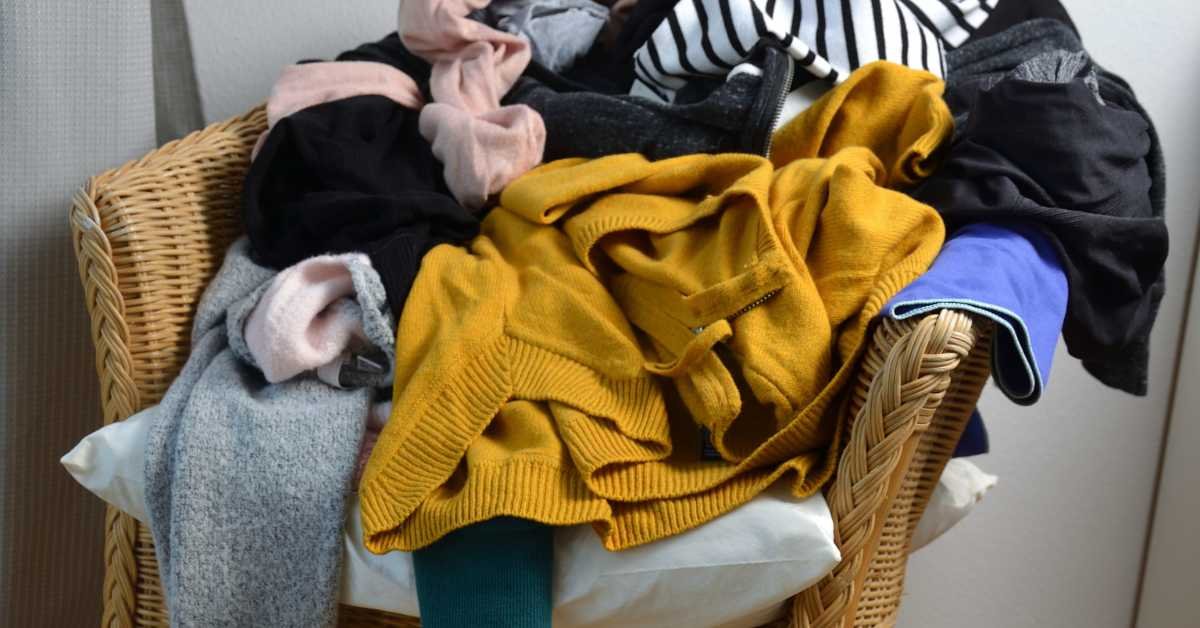
I just pick up visible items and put them where they belong, or at least into a temporary container like a laundry basket or box.
And these visual things are like clothes on chairs, my other stuff on the bed, some stuff sitting on the floor for no reason, etc.
When these things are in place, the house looks cleaner before it actually is.
By the way, sometimes I also start picking up visual items even before cleaning walls and ceilings, especially when I’m going to clean deeply.
Make the Bed Early, even if Nothing Else is clean

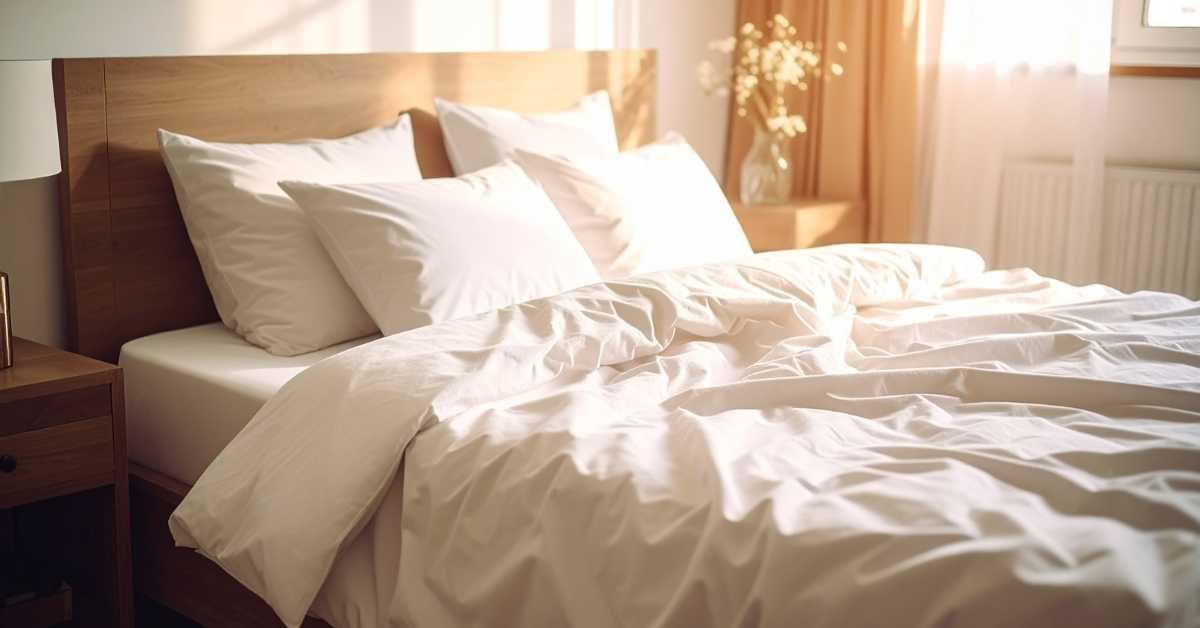
First of all, I like making the bed, and that’s not because I want it to be hygienic before everything else, but it gives me more control.
When you make the bed first, one large, central surface quickly looks neat, and the room feels anchored.
Even if the rest of your bedroom still needs work.
Clean Rooms One by One, Not Tasks All at Once
I don’t clean “all surfaces” or “all bathrooms” together. Instead of that, I clean one room at a time.
First, I do the bedroom, the kitchen, the bathroom and lastly the hall.
I treat each room as its own unit and finish one before moving to the next.
But why?
Because half-cleaned rooms everywhere feel worse than one fully finished space.
Even if one room takes close to an hour, it’s still manageable because the brain can see progress.
Kitchen Counters and Bathroom Sinks come Before Deep Cleaning
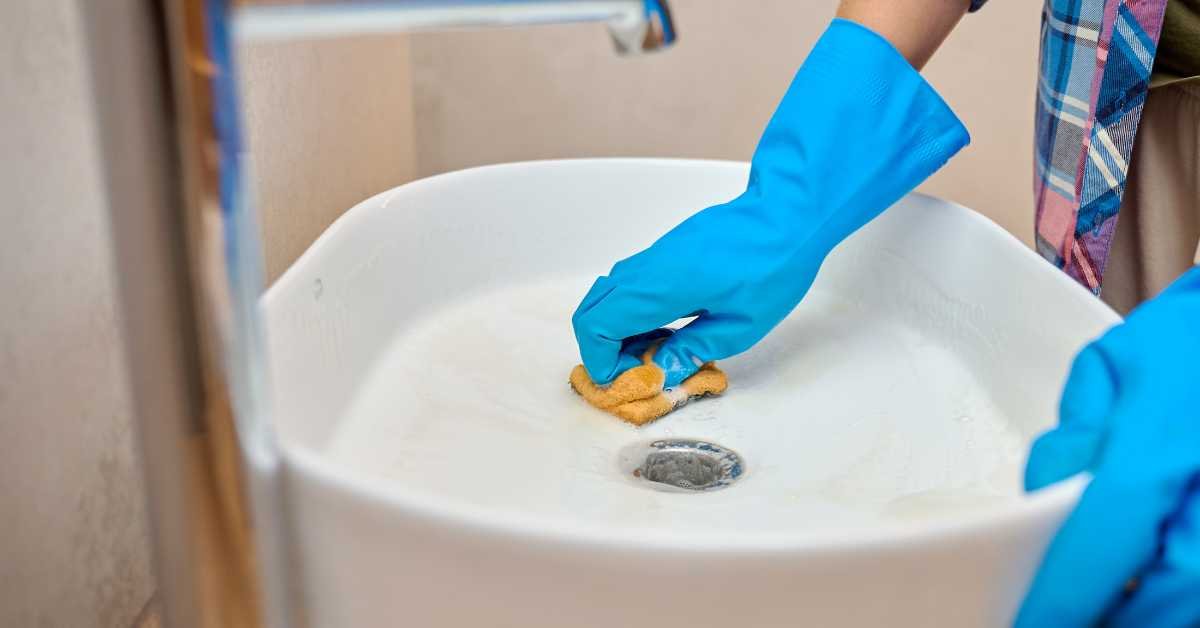
In messy houses, some areas trigger more stress than others. For me, it’s:
- Kitchen counters
- Bathroom sink and toilet area
I don’t deep-clean immediately, but I clear and wipe.
Once they look usable, the house feels functional again, and that’s very important from my point of view.
My philosophy is simple: the home doesn’t need to be spotless to feel livable, but yes, it needs to feel usable.
Shelves, Furniture, and Surfaces Come After Visual Clutter is Gone
Only after:
- Things are back in place
- Beds are made
- Counters are clear
I move to wiping shelves, tables, furniture, etc.
If I do this earlier, it would feel pointless because clutter comes back immediately. That’s why when I do it later, it makes the effort visible and lasting.
This order prevents rework, and I’m following it.
Floors are Always Last
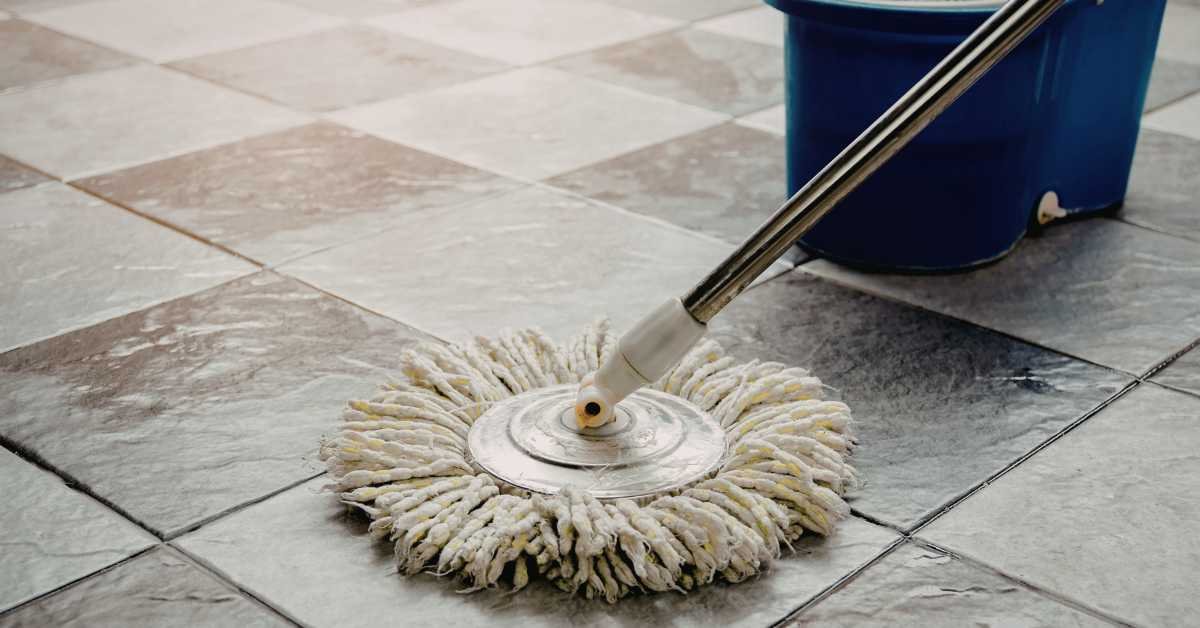
I clean the floors at the very end.
By then:
- Dust has fallen
- Items have been moved to their actual places
- Surfaces are done
Floor cleaning becomes final, not repetitive.
Also, for me, ending with the floor creates a psychological “close.”
When it’s done, everything feels done, even if some small tasks remain.
Laundry and Dishes are Separate Categories
I don’t treat laundry and dishes as part of the main cleaning session.
Sometimes I wash dishes immediately after eating, and sometimes I don’t.
Because my mom handles them most of the time.
But I do like one idea I learned from a Japanese school video.
In that video, students were eating, then cleaning their own tiffins, so I’m following it.
I follow this concept a lot. That’s why I try not to let small daily tasks turn into weekend punishment.
Speed Comes from System, not Energy
On Sundays, even if the house is quite messy, I still finish cleaning fast.
Not because I rush, but because my order is fixed and pre-decided.
Which I already mentioned, Ceiling, pick up items, bed, room by room, surfaces and then lastly floor.
Thinking less saves time.
Why does Collecting Tasks Work (Most of the Time)
I try not to keep work left for tomorrow.
That’s because future tasks occupy mental space (that I have today).
Knowing something is waiting creates pressure even when I’m resting.
When I do small things, the house is stable, and cleaning doesn’t become a burden. Also, I peacefully spend my time playing games. Etc.
But yes, this is also true that I don’t always succeed.
I also get lazy sometimes, and I build up too much work for later, but then I follow the same cleaning system I told you about.
Follow 15-minute Challenge (When Motivation is Low)
At times, I used to turn on a stopwatch and give myself 15 minutes.
Just to finish the given task before the time and beat the clock. It also makes me mentally feel like a challenging game.
And the cleaning doesn’t feel boring or a burden to me. You can try that too; maybe it’ll work.
When you’re challenging yourself, you’ll notice that your speed is automatically increased.
Even if you stop after 15 minutes, your house will be better than before.
What this order really does
This simple order will reduce mental load first, physical effort second.
You’ll feel overwhelmed in these conditions:
- Too many things are visible
- Tasks feel undefined
- Progress isn’t obvious
This cleaning order will fix those problems early.
Once the space looks calm, the cleaning will become easier.
And once it feels easier, you will move and work faster.
The simple rule I follow
If I had to reduce everything to one line, it would be this:
Clean what reduces mental pressure first, not what seems logically important.
That’s why I start with ceilings, visible clutter, and room order and not floors or deep scrubbing.
When your mind feels lighter, your body will follow it too.
And most days, that’s enough to keep the house from ever getting truly out of control.
Also read: How to clean a home that gets dirty again and again
Conclusion
If your house is already messy, you can follow the method that I discussed.
More importantly, you should never let small tasks collect; you should keep fixing things whenever you have time.
So from now you can start cleaning from the top to bottom, visible clutter first, rooms one by one, floors last.
FAQs
Is it better to clean a little every day or save everything for one day?
From my experience, a little every day is lighter mentally, but it’s not always realistic and possible.
So, now what matters more is not to let small tasks pile up.
If you miss a day or two, it’s fine as long as you have a clear order for when you restart cleaning the messy room.
I get distracted a lot while cleaning. How do I stay focused?
You should remove the biggest distraction before you begin. And for many people, that’s the phone (including myself).
If you turn it off or keep it in another room, it will make a bigger difference than any productivity trick.
Is there any simple, low-cost gadget that can help with cleaning or training my habit?
Yes, you can use a basic timer or stopwatch to challenge yourself, a laundry basket, a lightweight hand duster, etc.
All these things will reduce friction and decision-making.
Are Robot Vacuums or Smart Gadgets Necessary?
No! They will help 100%, but they’re not required, especially if the budget matters a lot for you.
How do I clean fast when I’ve been lazy for a few days?
You shouldn’t try to “catch up.” Follow the same order as always:
- Turn off distractions
- Clean from top (ceiling/walls)
- Remove visible clutter
- One room at a time
- Floors last
How do I stop cleaning from feeling like a never-ending job?
You can separate daily habits (dishes, small pickups) from cleaning sessions (rooms, surfaces, floors).
When you treat everything as one big task, it becomes exhausting.
When tasks have roles, they stop piling up in your head.

Hi, I’m Abraham — the person behind Household Chores Spin the Wheel. I share simple cleaning tips, organizing ideas, and practical home routines that I’ve learned from real everyday life.
Most of the things I write come from my own trial and error, small habits my mom and grandma taught me, and shortcuts I discovered while managing the house myself.
I believe chores don’t need to be stressful or perfect — just easy, doable, and something you can finish without thinking too much.
Thanks for being here and reading.
— Abraham